



Spinal Needle Tip Design: Quincke Bevel vs Pencil Point
Quincke Bevel vs Pencil Point
Spinal needles may look similar from a distance, but distal tip geometry changes the way the needle, stylet and opening are configured as one complete assembly.
01 / Design contextWhy Tip Geometry Matters
The distal end of a spinal needle is the first part of the device to interact with tissue, which makes tip geometry one of the most recognizable differences between spinal needle designs.
For product evaluation, however, it is useful to look beyond the visible point alone. The relationship between the needle cannula, stylet and distal opening determines the final assembled profile.
This is particularly important when comparing Quincke and pencil point needles. They should not be treated as the same needle with a differently shaped end. Each design has its own relationship between the stylet and outer cannula.
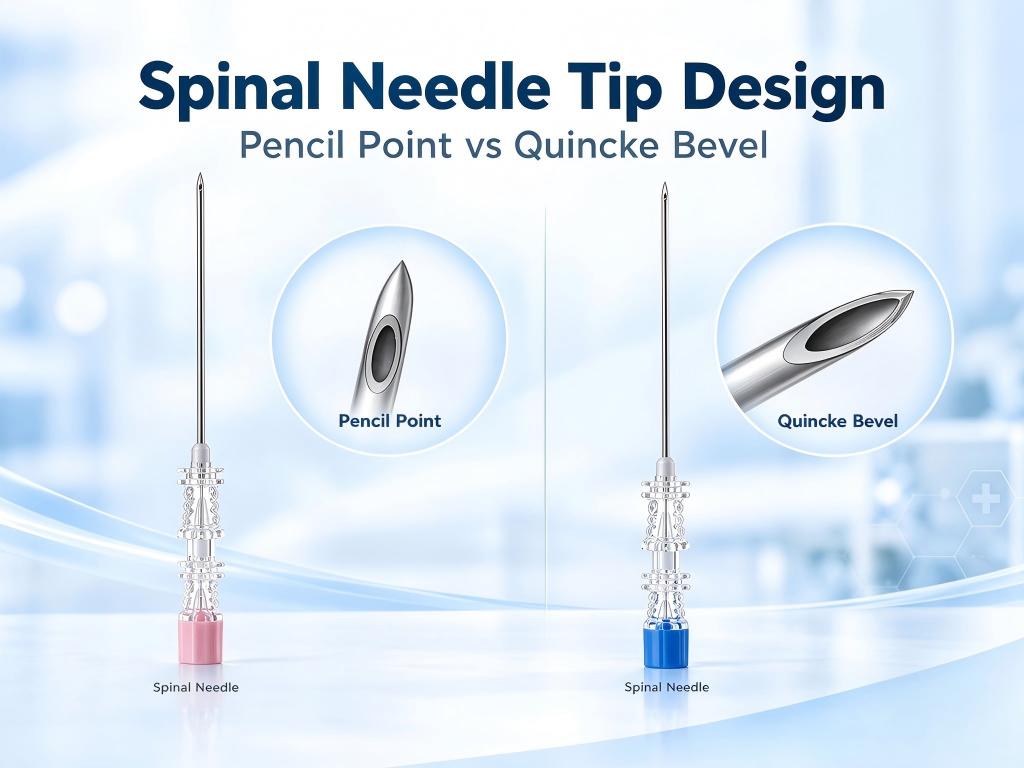
02 / Tip comparisonQuincke Bevel and Pencil Point Use Different Distal Geometries
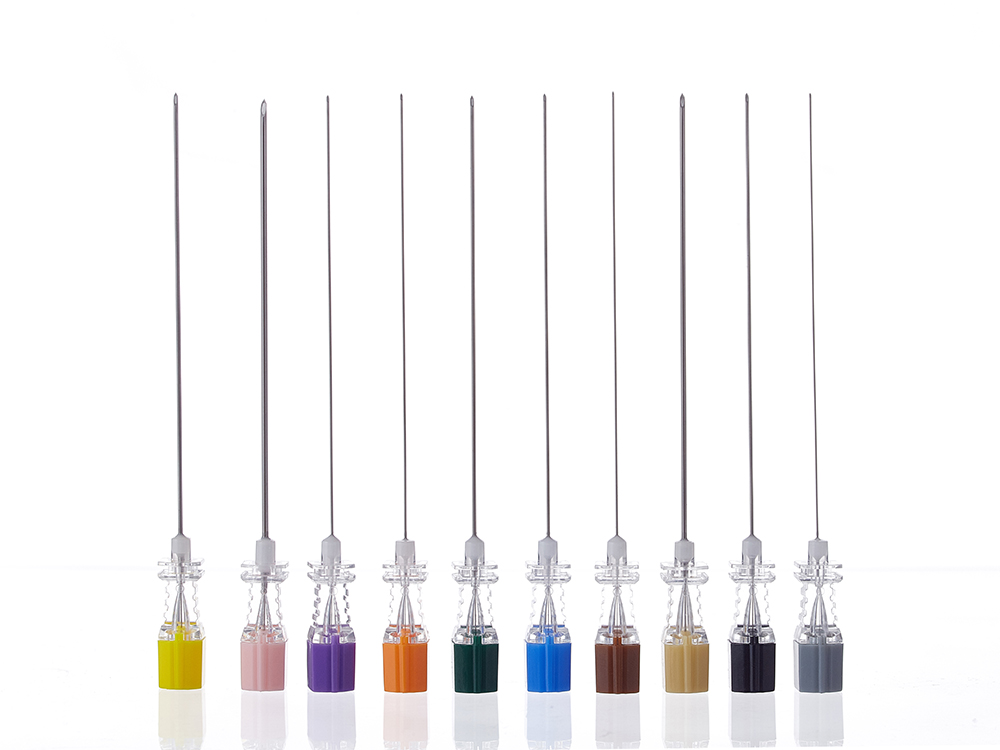
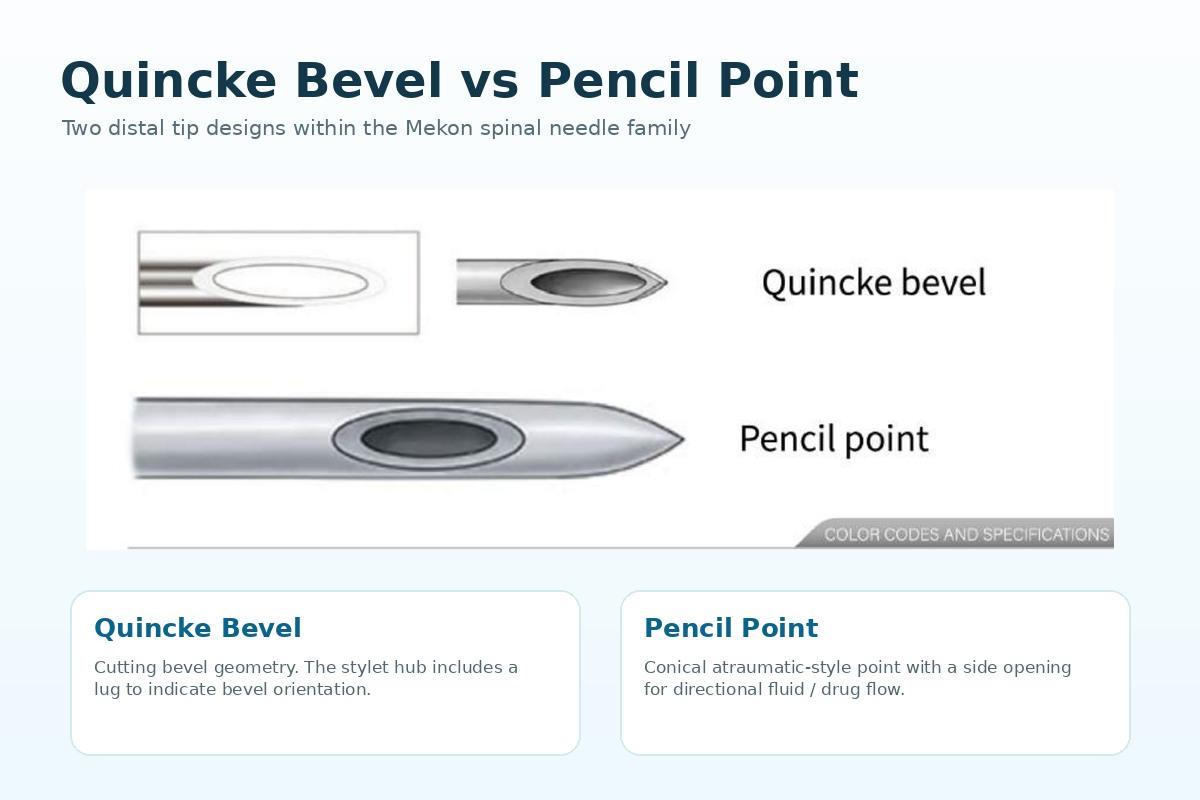
The Quincke spinal needle uses a traditional bevelled distal profile. The cutting bevel forms the terminal opening of the needle and gives the tip a clearly directional geometry.
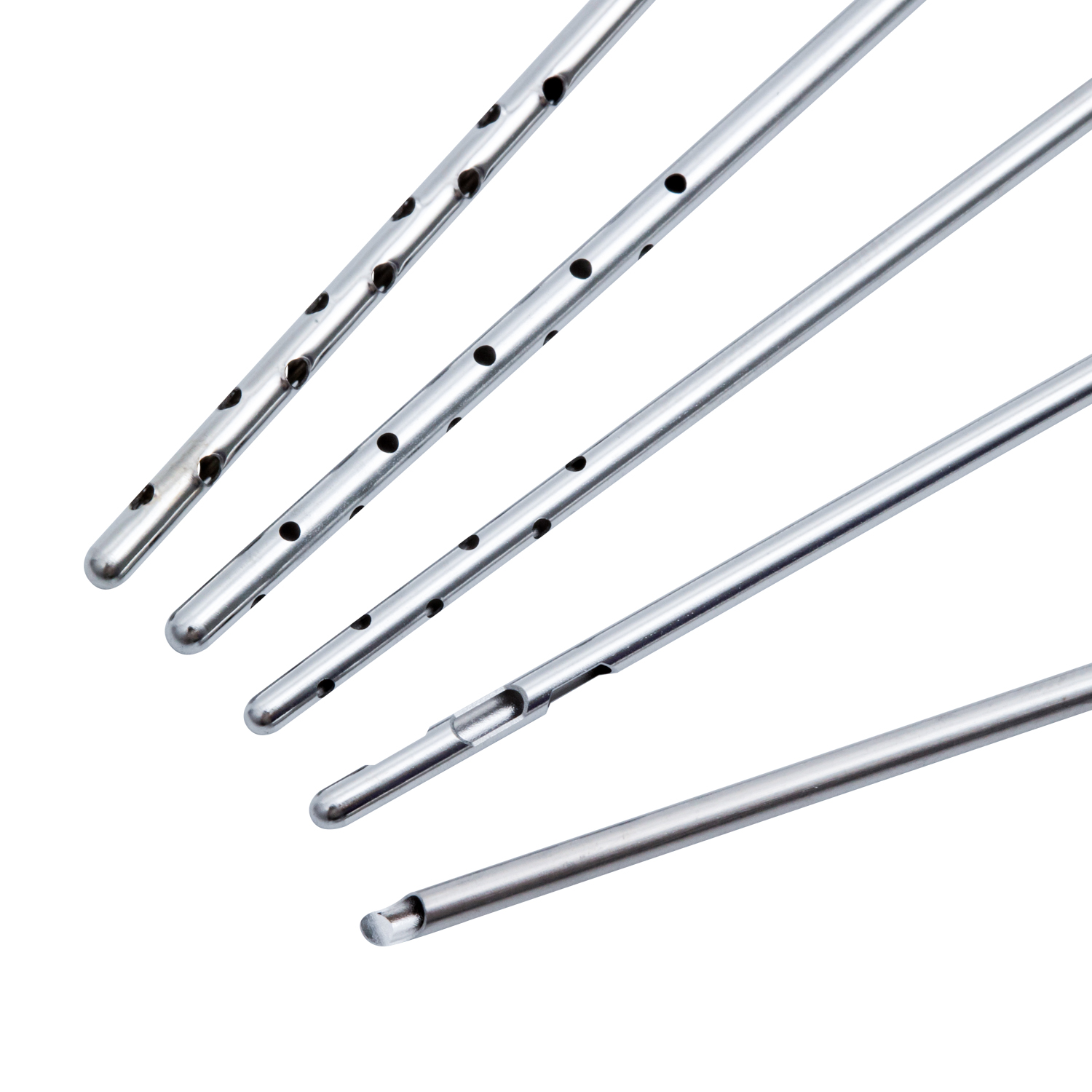
The pencil point configuration uses a rounded or conical distal profile instead of a conventional cutting bevel. In the Mekon pencil point design, the distal opening is positioned on the side of the needle rather than directly at the pointed end.
Quincke Bevel
The opening is integrated into the bevelled cutting tip. Bevel orientation is therefore an important part of how the complete needle and stylet assembly is identified.
Pencil Point
The distal point is rounded or conical, while the opening is positioned behind the tip on the side of the cannula.
03 / Quincke configurationBevel Orientation Is Part of the Assembly
Mekon's Quincke spinal needle uses a stylet fitted inside the needle cannula. The stylet hub incorporates a lug that indicates bevel orientation and helps reposition the stylet within the needle when required.
This means the product should be considered as a complete relationship between the bevelled cannula, matching stylet and hub orientation rather than as an isolated sharpened tube.
04 / Pencil point configurationThe Side Opening Changes the Distal Profile
The pencil point configuration replaces the conventional cutting bevel with a conical distal point. A precision-formed side opening behind the tip provides the fluid pathway.
This creates a clear visual and structural difference from the Quincke design and makes correct product photography especially useful when comparing the two configurations.
05 / Handling detailsThe Tip Is Only Part of the Spinal Needle Design
More Than the Distal Tip
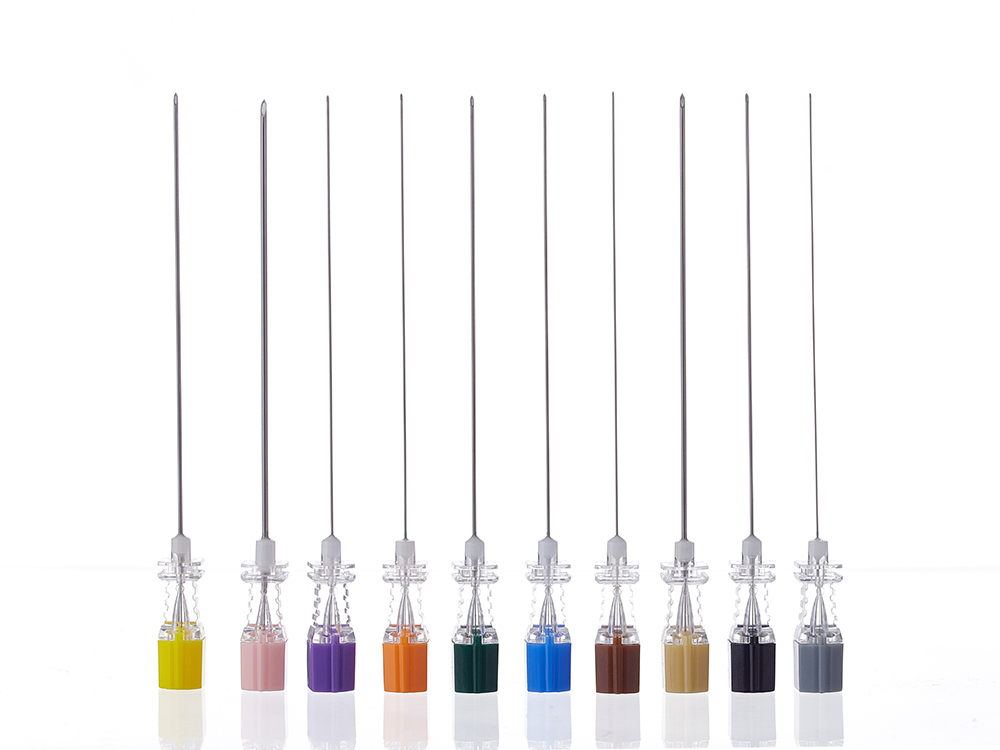
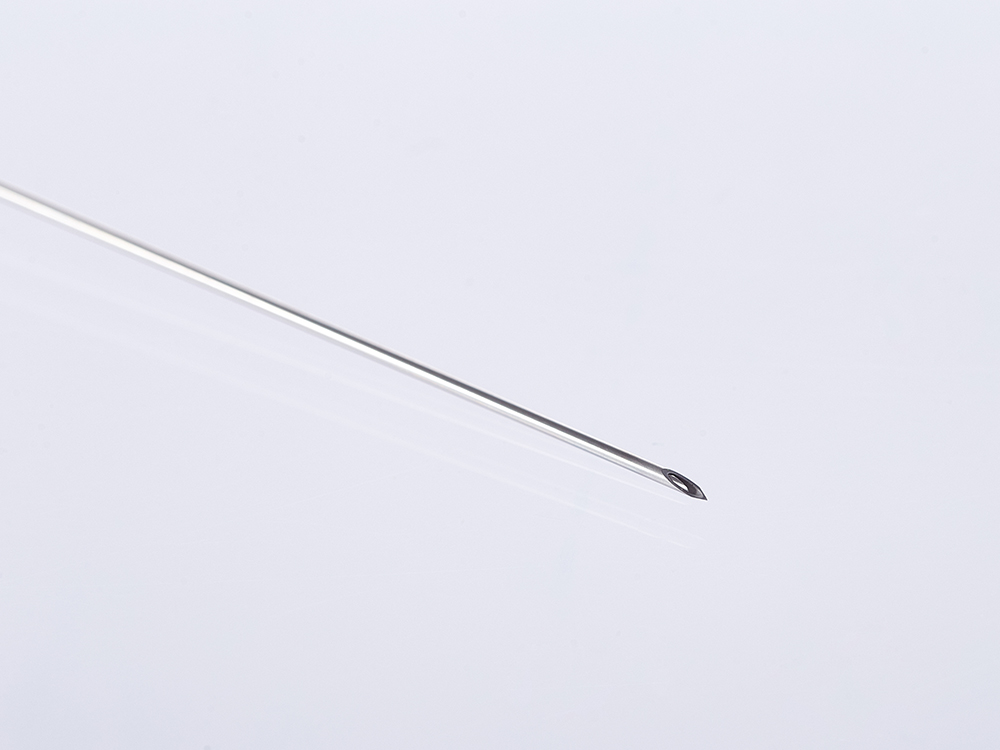 Directional bevel, matching stylet and transparent hub.
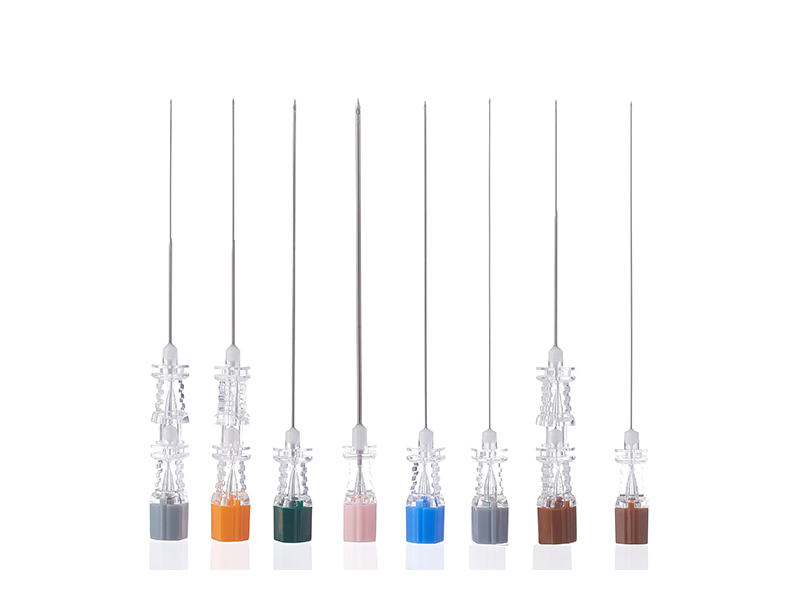
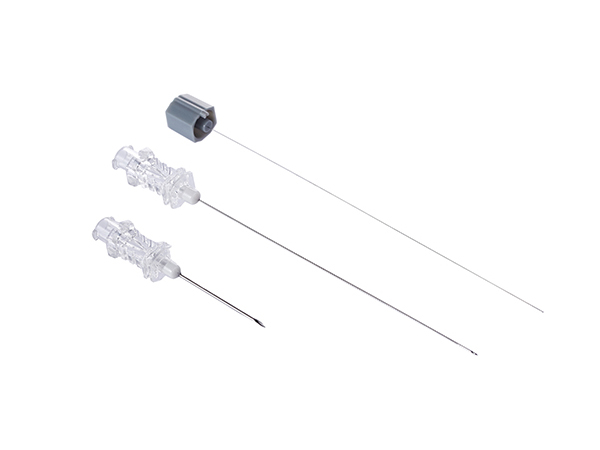 Conical point, side opening, stylet and introducer assembly.
06 / Product reviewCompare the Complete Assembly, Not Only the Point
A useful comparison should not ask only which tip looks sharper. For a Quincke needle, review the bevel profile, bevel orientation, stylet alignment and hub. For a pencil point needle, attention shifts toward the conical distal point, side opening and matching stylet profile.
Both designs belong to the same spinal needle product family, but they should remain visually and technically distinct in catalogs, product pages and customer specifications.
What to Check When Reviewing a Spinal Needle
Before moving into detailed size tables, four visible design areas provide a practical starting point for product identification.