- Home
- Custom Cannula
- Metal Machining
- Products
- Catalog
- About Us
- Resources
- Contact Us
Please leave a message.
China’s precision medical machining scene is really catching people’s attention these days. Why? Well, manufacturers are craving tighter tolerances, more stable supplies, and solid proof of process control. Market watchers from MarketsandMarkets guess that the global market for outsourcing medical devices will keep growing through 2029 — mainly because of the increasing complexity of parts and the rising costs of development. This whole trend is opening the door wider for skilled Chinese suppliers to step up their game.
Now, if you're looking for a dependable precision medical machining partner in China, don’t just think about having the latest CNC machines. It’s more than that. They should have top-notch quality systems based on ISO 13485, be able to trace materials back to their sources, use calibrated inspection tools, and have controlled cleanroom practices whenever necessary. And, of course, real proof helps — like CMM reports, first-article inspection results, surface finish data, and consistent batch outcomes. A good Precision Medical Device Manufacturer also needs to know their way around materials like titanium, stainless steel, cobalt-chrome, PEEK, and other medical-grade options.
In this list of ten manufacturers, we’ve looked at their machining skills, quality documentation, engineering support, delivery track records, and experience with surgical and diagnostic parts. Plus, standards from organizations like ISO and the FDA really emphasize risk-based controls, process validation, and the ability to trace everything throughout production — these principles shape what we’re looking for.
Now, a quick heads-up: no list is perfect. Just because a website looks slick doesn’t mean they’re the best. Things can change — new equipment, management shifts, capacity limits. So, it’s wise to double-check current certifications, recent audits, tolerances, and sampling policies before you commit to anyone. The tiniest detail can matter — like a burr on a bone screw or a missing heat-treatment record. And if claims are made, they should be backed up with solid evidence. Our goal here isn’t to give you a definitive ranking but to offer a practical starting point. Always do your own technical due diligence — that’s key.
Hope this helps you get a clearer picture of what to look for in your search for a reliable partner in China’s medical machining world.
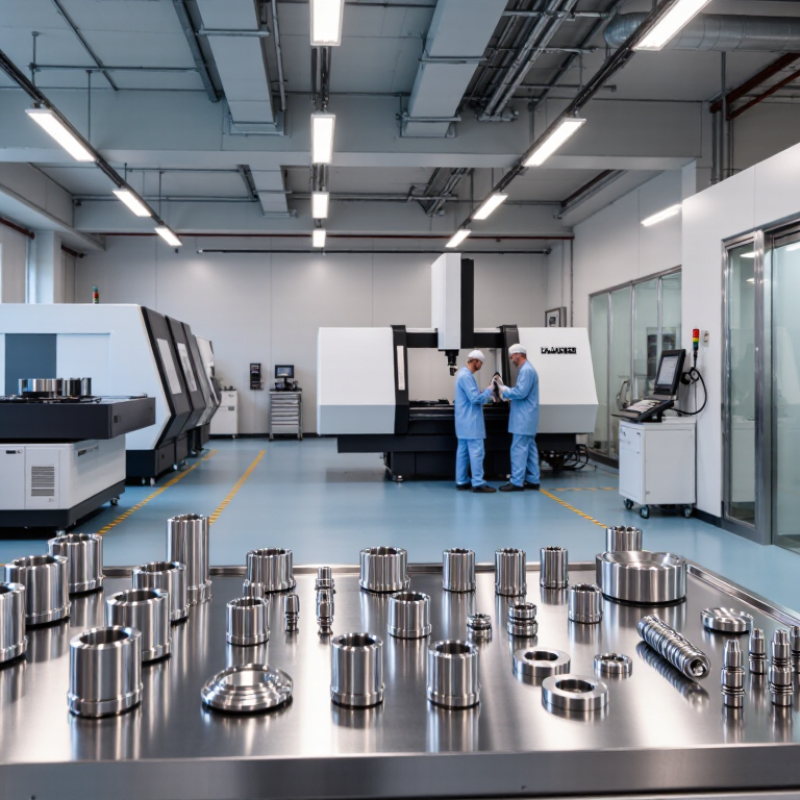
Precision medical machining involves converting detailed digital drawings into safe, repeatable components. Parts may include surgical instruments, implants, housings, connectors, and needle assemblies. Each feature matters, even a small edge or shallow groove.
Machinists often use CNC turning, milling, Swiss machining, and micro-drilling for complex parts. Titanium, stainless steel, cobalt-chromium alloys, and medical-grade polymers require different cutting strategies. A thin needle, for example, can bend from excessive heat or clamping pressure. A Custom Medical Needle Manufacturer must control wall thickness, tip geometry, concentricity, and burr formation during production.
Inspection begins before cutting. Engineers review tolerances, material certificates, tool access, and cleaning requirements. During machining, calibrated gauges and coordinate measuring systems verify critical dimensions. Surface roughness checks can reveal marks that ordinary visual inspection misses. Batch records also support traceability and process control.
Small details create large risks.
Experienced teams still face uncertainty. A drawing may appear complete, yet leave unclear instructions for polishing or deburring. Tool wear can change a diameter gradually, not dramatically. That makes scheduled inspection essential. It is also worth questioning automated results when measurements seem unusually perfect. Reliable production combines validated processes, trained operators, documented evidence, and careful human judgment. In medical work, speed matters, but consistency matters more.
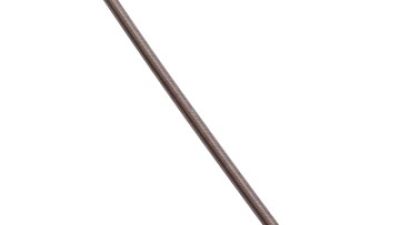
# Stainless Steel Guidewire: Precision Medical Tool for Wellness Applications
As cardiovascular disease accounts for approximately 17.9 million deaths worldwide each year, according to the World Health Organization’s Global Health Estimates, reliable minimally invasive tools remain essential to modern clinical care. A medical-grade stainless steel guidewire is engineered for controlled navigation through intricate anatomy, combining a smooth surface finish with excellent torque response, optimized pushability, and dependable trackability. These characteristics support precise handling during diagnostic and interventional procedures while helping clinicians maintain consistent control.
A radiopaque tip enhances visibility under fluoroscopic imaging, while atraumatic construction is designed to reduce the risk of unnecessary tissue irritation. J-tip, angled-tip, and straight-tip configurations provide flexibility for different clinical scenarios and access requirements. For selected applications, an optional hydrophilic coating can reduce friction and facilitate smoother advancement through complex pathways. Together, these features create a precision medical tool that supports procedural efficiency, accurate positioning, and patient-focused care across a range of wellness-related clinical applications.
Request quality certificates, controlled procedures, audit records, and corrective-action reports. Certification alone is not enough. Ask for evidence.
Material certificates should match heat numbers from receiving through shipment. Records should identify each production batch. Missing links create avoidable risk.
Common materials include 316L stainless steel, titanium alloys, cobalt-chromium, and PEEK. Each requires controlled cutting, clamping, and finishing methods.
Engineers should discuss tool wear, heat control, burr removal, and cleaning methods. Titanium stores heat during cutting. Thin walls can distort.
Check coordinate measuring machines, surface-finish testers, calibration dates, and sample inspection reports. Reports should include tolerances, geometric data, and revision history.
It should show dimensions, surface roughness, material heat numbers, and batch identification. Sterilization compatibility may also require confirmation. Details matter.
Ask about lead times, inspection staffing, equipment maintenance, and backup planning. A factory may produce excellent prototypes but struggle with stable series production.
Drawings without datums or acceptance criteria can cause confusion. Ask engineers to identify risks before production. Skilled machining cannot fix unclear requirements.
When practical, inspect labeled material racks, work instructions, and clean inspection areas. These details reveal process discipline. Still, appearances can mislead.
Review several production batches, not one impressive sample. Check repeatability, corrective actions, and delivery consistency. I would challenge my own first impression.
This guide explains what precision medical machining involves, from interpreting complex designs and tight tolerances to producing reliable components for surgical instruments, implants, diagnostic equipment, and other healthcare applications. It also examines how China’s medical machining industry operates, including engineering capabilities, production management, traceability, inspection procedures, and communication throughout the manufacturing process. Readers will learn the key criteria for evaluating a precision medical machining manufacturer china, such as experience with medical materials, process control, equipment capability, documentation, quality systems, and delivery performance.
The article presents ten leading types of Chinese manufacturers to consider without focusing on brand names, while comparing their potential strengths in machining technologies, surface treatment, prototyping, and volume production. It also reviews commonly used materials, relevant manufacturing technologies, and quality expectations for medical components. Finally, the guide offers a practical framework for selecting the right manufacturing partner by assessing technical fit, regulatory readiness, quality assurance, production capacity, confidentiality, responsiveness, and long-term cooperation potential.