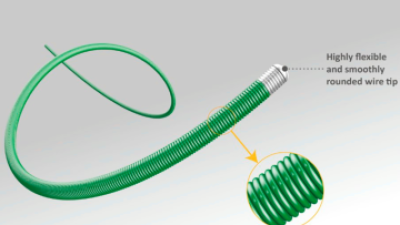
Lately, there's been a big surge in demand worldwide for high-quality medical devices. One of the key parts used in many minimally invasive procedures is the precision guidewire. If you're an international buyer, finding a trustworthy factory in China that makes these is pretty important. China has tons of factories producing guidewires, but not all of them offer the same level of quality or adhere to international standards.
It really pays to do your homework. Some manufacturers are at the cutting edge when it comes to technology and production methods, while others might be a bit behind the curve. For example, some of the top factories have a solid track record, especially those making the sleek Guidewire Introducer Needle. But don’t just take their word for it—it's smart to ask about certifications, quality control processes, and their past performance.
Getting a good grip on these details can really help you steer clear of potential issues. The reputation of the factory directly impacts the safety and reliability of the products. So, look for manufacturers with proven success stories and positive feedback from others. In the end, making a well-informed choice means finding a guidewire factory in China that truly matches your quality standards and expectations.
Overview of Precision Guidewires and Their Applications
Precision guidewires are essential tools in minimally invasive procedures. These devices navigate through blood vessels, assisting in the placement of other instruments. Their precision ensures that interventions are both effective and safe. The applications range across cardiology, neurology, and various other medical fields. Each specialty relies on the specific features of guidewires to meet their unique needs.
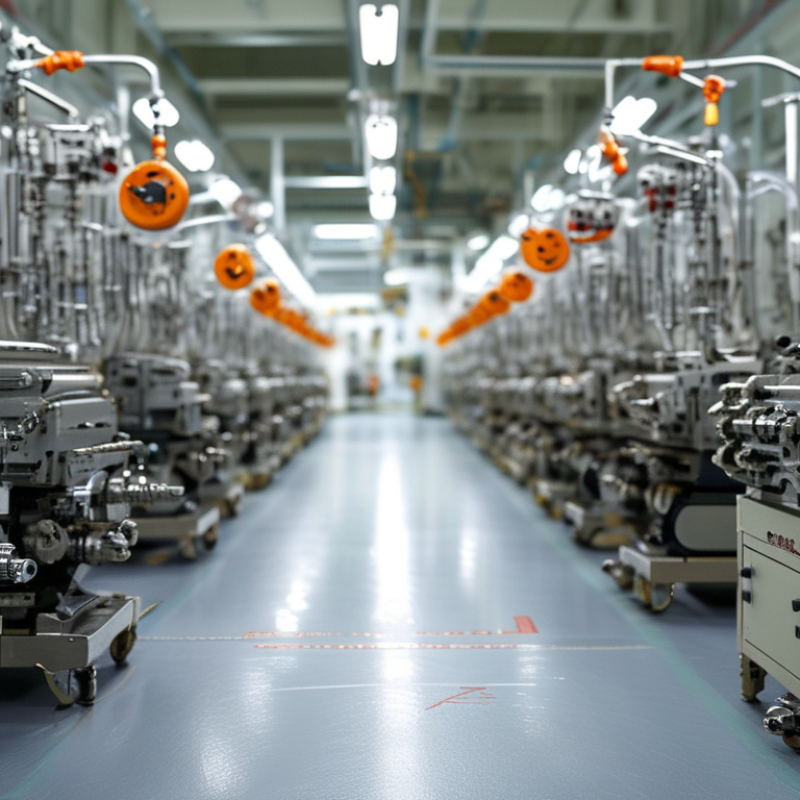
The manufacturing of precision guidewires demands high-quality standards and advanced technology. Factories focus on Precision Machined Parts to ensure reliability. Each wire requires meticulous design and production processes. The materials must be biocompatible, providing safety for patients. Companies invest in research and development, but not every attempt meets expectations. Some designs may fail to perform as intended, prompting a reevaluation of current manufacturing practices.
Quality control remains a critical aspect of production. Manufacturers must address inconsistencies that arise during the crafting of guidewires. Each batch is tested rigorously, yet occasional flaws slip through every system. Ongoing challenges indicate a need for constant improvement in design and material selection. Embracing innovation can lead to better products while ensuring patient safety remains a priority.
Key Factors to Consider When Sourcing Precision Guidewires
Sourcing precision guidewires requires careful consideration of key factors. Quality is paramount. Inspect materials used in production. High-quality stainless steel is essential. Assess the manufacturing process. A facility with quality control measures ensures consistency. Look for certifications that demonstrate compliance with international standards.
Another important aspect is the supplier's capability to customize products. Different procedures may require specific guidewire designs. Discuss your needs openly. Suppliers should show flexibility and innovation in responding to unique requests. Additionally, consider the supplier's experience in the industry. An established track record suggests reliability.
Pricing cannot be overlooked. While a low price may seem attractive, it can compromise quality. Balance your budget with the need for durable, reliable products. Conduct market research about competitive pricing. This helps to avoid overpaying or falling for low-quality options. Finding a balance between cost and quality is key. Remember, a poor choice in suppliers can lead to significant issues down the line.
Top 10 Precision Guidewire Factories in China
China has established itself as a leading hub for precision guidewire manufacturing. The country boasts a multitude of factories that specialize in producing high-quality Precision Medical Machined Parts. These facilities focus on advanced machining techniques, ensuring precise tolerances and exceptional quality control.
Many factories offer a range of guidewires for various medical applications. The manufacturing processes often involve specialized materials to enhance performance. However, navigating this crowded market can be challenging. Not every factory maintains the same standards. It’s essential to assess their certifications and track record to ensure reliability.
Buyers should consider factories that have invested in modern technology and skilled labor. These investments reflect a commitment to quality. Yet, not all facilities keep pace with industry advancements. It's crucial to evaluate their capabilities thoroughly. A well-informed choice can lead to lasting partnerships in the competitive medical device market.
Detailed Profiles of Leading Chinese Precision Guidewire Manufacturers
Precision guidewires play a vital role in medical procedures. In China, several manufacturers excel in producing these essential tools. Selecting a reliable factory can enhance the quality of your medical supplies. Some factories specialize in innovative techniques, ensuring high precision and durability in their products.
Tips: When choosing a manufacturer, assess their production capabilities. Verify their certification and quality control processes. This step reduces risks associated with subpar products. Look for factories experienced in Medical Parts Precision Machining.
Don't overlook the importance of post-production support. Effective communication is essential for a smooth collaboration. It’s common for potential buyers to underestimate the time needed for customization. Understanding these factors can lead to more favorable outcomes in sourcing precision guidewires. Ensure that the manufacturer listens to your specific requirements for better service.
Top 10 Precision Guidewire Factories in China for Global Buyers
This chart displays the annual production capacity of the top 10 precision guidewire factories in China. The data reflects the manufacturing potential of each factory, offering insights for global buyers interested in sourcing precision guidewires.
Comparative Analysis of Manufacturing Capabilities in China
China has established itself as a leader in precision guidewire manufacturing. Many factories are focusing on advanced technology and skilled labor. The production capabilities vary widely among these factories. Some facilities boast state-of-the-art equipment, while others rely on older machinery. This disparity impacts product quality and innovation potential.
Quality control is another critical area. Some manufacturers implement rigorous testing protocols. Others may overlook these essential steps, leading to inconsistent results. Knowing these differences is vital for global buyers. It helps in selecting the right partner. Evaluating the experience of each factory can reveal strengths and weaknesses in their production methods.
Beyond technology and quality control, geographic location plays a role in manufacturing efficiency. Factories in industrial hubs typically benefit from better logistics. However, this advantage is not universal. Some remote locations may struggle with supply chain disruptions. Understanding these nuances can guide buyers toward making more informed decisions.
Quality Assurance Standards for Precision Guidewires
When considering precision guidewire manufacturers in China, quality assurance standards play a critical role. Effective quality control measures ensure that guidewires meet medical safety and functionality requirements. Manufacturers often implement ISO certification and stringent testing protocols. These safeguards help maintain high production standards.
Tips for assessing quality include examining certifications and compliance with international norms. Focus on producers that consistently demonstrate compliance during audits. Reliable factories have detailed documentation showing their quality assurance processes. Ask for samples to evaluate materials and workmanship firsthand.
Communication with suppliers is essential. Clear dialogue about specifications can uncover any discrepancies. It's vital to discuss your quality expectations openly. Misunderstandings may lead to subpar products. Engaging with factories that prioritize customer feedback enhances the development of trustworthy guidewires. Pay attention to their willingness to adjust processes based on your input.
Market Trends and Future Outlook for Guidewire Production in China
China's guidewire production market shows robust growth trends. With advanced technologies in
Precision Cnc Machining Parts, factories are stepping up processes to meet rising global demand.
The capability to produce high-quality guidewires is crucial for various medical applications.
As a result, many facilities are investing in modern equipment and skilled labor. This trend is
transforming the landscape of guidewire manufacturing.
Developing a competitive edge requires innovation. Factories must not only maintain quality but
also improve efficiency. Integrating automation into production lines is a key strategy.
Manufacturers are exploring new materials for guidewires to enhance performance.
However, some manufacturers face challenges in scaling operations without compromising quality.
Tips: Collaborating with local suppliers can streamline production and reduce costs. Regularly
evaluating technology adoption can highlight areas for improvement. Stay informed about regulatory
changes to ensure compliance and avoid setbacks.
Enhancing Medical Procedures: The Impact of PTFE Coated Guidewire on Performance Metrics and Procedural Efficiency in Interventional Therapies
The integration of PTFE (Polytetrafluoroethylene) coated guidewires in interventional therapies marks a significant advancement in medical procedures, enhancing both performance metrics and procedural efficiency. The exceptional properties of PTFE coatings, which include reduced friction and improved biocompatibility, contribute to smoother navigation through complex anatomical pathways. This innovation minimizes trauma to surrounding tissues, ultimately leading to better patient outcomes and expedited recovery times.
High-quality guidewires, whether constructed from stainless steel or nitinol, are integral to ensuring precise maneuverability during interventions. The smooth tip design of these guidewires further facilitates easy passage through vascular systems or other targeted areas, which is crucial when time sensitivity is of the essence. Additionally, the excellent torque control offered by these guidewires allows for enhanced operator feedback, making it easier for healthcare professionals to optimize their approaches to various procedures.
Offering a variety of diameters, lengths, and tip shapes—including straight, J-tip, and angled designs—these guidewires can be tailored to meet diverse procedural requirements. This adaptability is essential in addressing the unique anatomical considerations of each patient, thereby ensuring that clinicians can choose the most suitable tool for their specific needs. By enhancing both the safety and effectiveness of interventions, PTFE coated guidewires significantly contribute to the ongoing evolution of interventional therapies.
FAQS
: Look for quality certifications and the factory's track record. Reliable factories show consistency.
Advanced technology enhances precision and quality. Some factories may not keep up, affecting their output.
No, quality varies significantly. Some use rigorous testing, while others may skip essential steps.
Factories in industrial hubs have better logistics. Remote locations might face supply chain issues.
Specialized materials are often used. They improve the performance of the guidewires produced.
Assess their technology, quality control measures, and production experience. This helps in making informed choices.
Poor quality control could mean inconsistent products, leading to complications in medical applications.
Both are important. Modern machinery aids precision, while skilled labor ensures quality in production.
Investing in technology and training labor can lead to better product quality and innovation.
They often experience supply chain disruptions, which can hinder production efficiency.
Conclusion
This article provides a comprehensive overview of the precision guidewire industry, highlighting the crucial applications of these medical devices and the essential factors to consider when sourcing such products. It presents a list of the top 10 precision guidewire factories in China, showcasing their manufacturing capabilities and the varying standards of quality assurance that are prevalent in the sector. Additionally, the article offers detailed profiles of leading Chinese precision guidewire manufacturers, followed by a comparative analysis that emphasizes the strengths and weaknesses of each factory.
Moreover, the current market trends and future outlook for guidewire production in China are discussed, underlining the importance of selecting a reliable precision guidewire factory in China for global buyers. The insights provided aim to facilitate informed decision-making for international purchasers looking to partner with Chinese manufacturers in this highly specialized field.