In the medical world, everything has to be spot-on, every little detail really counts. That's where high-precision machining comes into play — it’s a big deal. According to a report by Markets and Markets, the global market for precision machining is expected to hit around $10.32 billion by 2025. This really shows how much we’re leaning on precision when it comes to healthcare manufacturing these days.
Using high-precision machining in medicine isn’t just about making things look perfect — it actually helps improve device performance and keeps patients safe. Companies like Stratasys Ltd. are leading the way with cool advancements in 3D printing that can handle complex demands. But, let’s be honest, it’s not all smooth sailing. The industry faces some real challenges, like keeping up with strict regulations and managing costs. Firms need to focus on precision, but also have to stay within budgets and tight schedules.
That kind of need for perfection can ramp up the pressure on manufacturing facilities. Some manufacturers struggle with inconsistent quality, which is a big pain. That’s why ongoing training and investing in new tech are super important — it’s the only way to keep standards high. At the end of the day, finding the right balance between quality and costs is a constant juggling act in this high-precision medical machining game.
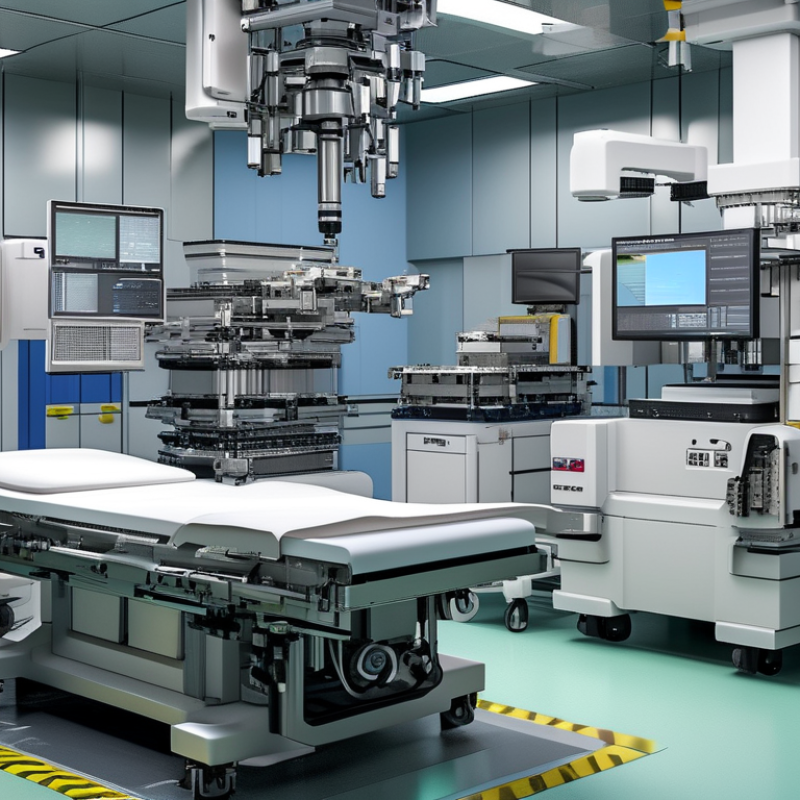
Essential Requirements for High Precision Machining in Medical Devices
High precision machining is vital in the medical industry. The creation of implants and surgical instruments hinges on accuracy. Even the smallest deviation can lead to major complications. Machining processes must adhere to stringent tolerances. Every measurement counts, as lives often depend on the effectiveness of these devices.
Material selection plays a crucial role in precision machining. Materials must withstand sterilization and wear. Biocompatibility is non-negotiable for any medical device. Advanced machining techniques like CNC ensure exact specifications. These methods can produce intricate designs that meet clinical requirements.
However, maintaining these high standards is challenging. Skilled operators need ongoing training. Investment in state-of-the-art technology is also essential. Small errors can occur, and it’s crucial to review processes regularly. Manufacturers must adapt and learn from mistakes to ensure future success. Precision in the medical field is non-negotiable; it requires relentless commitment and expertise.
Understanding Tolerances and Specifications in Medical Machining
In the medical industry, understanding tolerances and specifications is crucial for high precision machining. Medical devices often require a tolerance of 10 microns or even tighter for critical components. According to the International Organization for Standardization (ISO), adhering to strict standards can significantly improve patient safety and device efficacy. For example, tolerances on surgical instruments directly impact their performance during procedures, making exact measurements vital.
Precision machining comes with challenges. Small deviations can lead to catastrophic failures in medical devices. In this context, employing advanced measurement tools becomes essential. Utilizing laser interferometry can help in achieving tighter tolerances. This tool provides accuracy that traditional methods may not reach.
When machining for medical applications, consider these practical tips. Maintain environmental control in the manufacturing area to prevent contamination. Regularly calibrate machines to ensure precision in every part produced. Stay informed about new technologies that can enhance machining processes. Embracing innovations leads to better outcomes and increased reliability in medical devices. The stakes are high, and precision is not just a goal; it’s a necessity.
Machining Tolerances in the Medical Industry
Choosing the Right Materials for Medical Machining Applications
Selecting the right materials for medical machining applications is crucial. Medical devices demand high precision and reliability. Materials must meet stringent biocompatibility standards. Common choices include stainless steel and titanium, known for their strength and corrosion resistance. They are widely used in surgical instruments and implants.
However, not all stainless steels are equal. Some grades perform better than others in specific applications. A thorough understanding of each material's properties is essential. Sometimes, engineers overlook subtle differences in material composition, leading to unforeseen failures. Evaluating factors like machinability and finish is vital.
Additionally, polymers are gaining traction. They are lightweight and resistant to wear. However, manufacturers must ensure proper processing techniques to maintain performance. Selecting materials is often subjective and may lead to debate among professionals. Every choice carries implications for the final product's safety and efficiency. Being aware of these nuances can improve outcomes in the medical sector.
Best Machining Techniques for Complex Medical Components
In the medical industry, precision is paramount. Complex medical components require machining techniques that ensure accuracy and reliability.
Advanced CNC (Computer Numerical Control) machines have transformed this field, allowing for the production of intricate parts with tolerances as tight as ±0.001 inches. This level of precision is critical, especially for devices such as implants or surgical instruments that must meet strict safety standards.
Understanding material selection is equally important. Many medical components are made from materials like titanium and stainless steel, known for their biocompatibility and strength. However, these materials can be challenging to machine. They often produce significant heat during cutting, which can lead to tool wear. Reports indicate that optimizing cutting speeds can improve tool life by up to 30%. This efficiency not only enhances productivity but also ensures the quality of the finished product.
The landscape is not without challenges. Machining complex geometries often requires frequent adjustments and fine-tuning of equipment. Even minor misalignments can lead to defects. Continuous training for machinists is essential, as their skills directly impact manufacturing outcomes. Industry studies highlight that investment in workforce training increases overall part quality by about 25%. Reflecting on these aspects is crucial for maintaining excellence in medical device manufacturing.
Quality Control Practices for High-Precision Medical Manufacturing
Quality control is essential in high-precision medical manufacturing. In this industry, even minor defects can have significant consequences. A recent report from the National Institute of Standards and Technology reveals that precision machining tolerances can be as tight as ±0.001 inches for critical components. Maintaining such accuracy requires strict adherence to quality control practices.
Regular inspections and testing are crucial. Many companies employ statistical process control (SPC) to monitor production processes. This method helps identify variances that may lead to defects. A study conducted by the Medical Device Innovation Consortium found that companies utilizing SPC reduce defects by 30%. This highlights the tangible benefits of implementing robust quality checks.
Documentation plays a vital role as well. Every step in the manufacturing process should be documented meticulously. This not only aids in traceability but also helps in audits and compliance with industry standards. However, many companies struggle with data management. Inadequate records can lead to ongoing challenges in maintaining quality. Continuous improvement should be a goal. Failure to adapt could leave manufacturers vulnerable to recalls and reputational damage.
The Role of Advanced Technology in Medical Precision Machining
The medical industry demands the utmost precision in machining processes. Advanced technology plays a pivotal role in achieving this level of accuracy. According to a recent report by the Medical Device Innovation Consortium, precision machining in medical applications can reduce production errors by over 30%. This significant reduction is crucial when machining components such as implants, surgical instruments, and diagnostic equipment.
Utilizing computer numerical control (CNC) machining enhances the reliability of production. CNC machines can execute complex designs with minimal human intervention. A survey by the Precision Machined Products Association indicated that 70% of industry leaders believe automation increases efficiency. Despite these advancements, challenges remain. Operators must be skilled to troubleshoot errors arising from machine calibration or material inconsistencies. Continuous training is essential to maintain high standards.
Additionally, incorporating additive manufacturing technologies is transforming traditional machining methods. This hybrid process combines subtractive and additive techniques, allowing for the creation of intricate geometries. However, reports indicate that up to 15% of medical devices produced through these methods face regulatory hurdles. Addressing these challenges requires strict adherence to quality control protocols, ensuring that patient safety is never compromised. As technology evolves, the industry must adapt, reflecting on ongoing improvements in both processes and training.
Regulatory Compliance and Standards in Medical Device Machining
When machining medical devices, compliance with regulatory standards is crucial. The FDA, ISO, and other bodies set stringent guidelines to ensure safety and effectiveness. Manufacturers must understand the nuances of these regulations. This process is complex and often requires specialized knowledge. Engaging experts familiar with these standards can mitigate potential missteps.
Documentation plays a key role in compliance. Every step of machining must be accurately recorded. Traceability ensures that each device meets required specifications. Quality control processes should be rigorous and documented at every stage. However, small lapses can lead to significant repercussions. Stakeholders must remain vigilant to avoid compromising quality.
Training staff on these standards is equally important. Regular workshops can enhance awareness. This training should cover the latest updates in regulations. Moreover, fostering an environment of open communication helps teams address challenges more effectively. Reflecting on past errors can guide improvements. Embracing a culture of continuous learning is beneficial in this highly regulated field.
FAQS
: Choosing the right materials ensures high precision and reliability in medical devices.
Stainless steel and titanium are popular due to their strength and corrosion resistance.
No, some grades perform better. Understanding material properties is essential.
It helps prevent defects that can have serious consequences in medical devices.
Many use statistical process control (SPC) to monitor processes and spot variances.
It aids traceability, compliance, and helps during audits. Poor records can create issues.
They should engage experts and maintain rigorous documentation throughout the machining process.
They should adapt practices and conduct regular training based on past mistakes.
Compliance with standards is vital for safety and effectiveness, and requires specialized knowledge.
Inadequate data management can hinder quality control and lead to ongoing challenges.
Conclusion
High precision machining in the medical industry is essential for the production of reliable and effective medical devices. This process requires a deep understanding of tolerances and specifications to ensure that components meet stringent regulatory standards. Choosing the right materials is crucial, as they must not only exhibit durability but also comply with health regulations.
Moreover, employing advanced machining techniques enables manufacturers to create complex components that meet the diverse needs of medical applications. Quality control practices play a vital role in maintaining the high standards required for medical devices. Additionally, the integration of advanced technology significantly enhances the precision and efficiency of machining processes. Overall, the interplay of these elements is fundamental to successful high precision machining in the medical industry.