Finding a reliable wholesale supplier for sterile Coc Syringe in 2026 isn’t just about comparing those unit prices. The real performance of a COC Syringe depends on a bunch of factors—like the quality of the resin, how well it’s molded, sterilization validation, and whether the packaging keeps everything protected consistently. Sure, you might get a sweet quote from a supplier, but if their documentation is sketchy, it can lead to costly delays down the line—you don’t want that, right?
W. Edwards Deming, you know, the famous quality guru, once said, “Quality doesn’t come from inspection alone but from improving the production process.” That still hits home today. When you’re scouting suppliers, it’s smart to check ISO 13485 certification, their facilities’ controls, batch traceability, and sterilization records. Don’t be shy—ask for recent certificates of analysis, evidence of biocompatibility, and data on extractables and leachables. Also, find out if they can support container-closure integrity testing and particulate monitoring. These details matter a lot.
Take a good look at the finer points. A trustworthy partner should be able to clearly explain their resin grade, barrel dimensions, tip design, and how they package their products. When you receive samples, they should come with visible lot numbers and sterile barriers that are intact. And don't forget to ask how they handle deviations—how do they investigate issues? And how do they notify customers about changes? The answers here actually tell you how mature their operations really are.
Experience counts, too. A supplier who’s worked with prefilled drug systems, for example, likely understands the whole compatibility and risk stuff better than just a general plastics maker. But, keep in mind—experience by itself isn’t everything. It’s smart to check references, production capacity, lead times, and whether they have solid quality agreements in place.
Some buyers get too fixated on price. That can backfire—sometimes, a low price means cutting corners. And assuming that a certification on paper covers every single batch? Not so fast. Certifications are helpful, but a proper, structured audit is still a must.
So, this guide’s here to help you compare different suppliers, verify their technical claims, and pick a reliable wholesale source for sterile Coc Syringes—especially for stuff that’s regulated, like in medical applications. There’s honestly no perfect checklist, but asking the right questions and doing your homework makes all the difference.
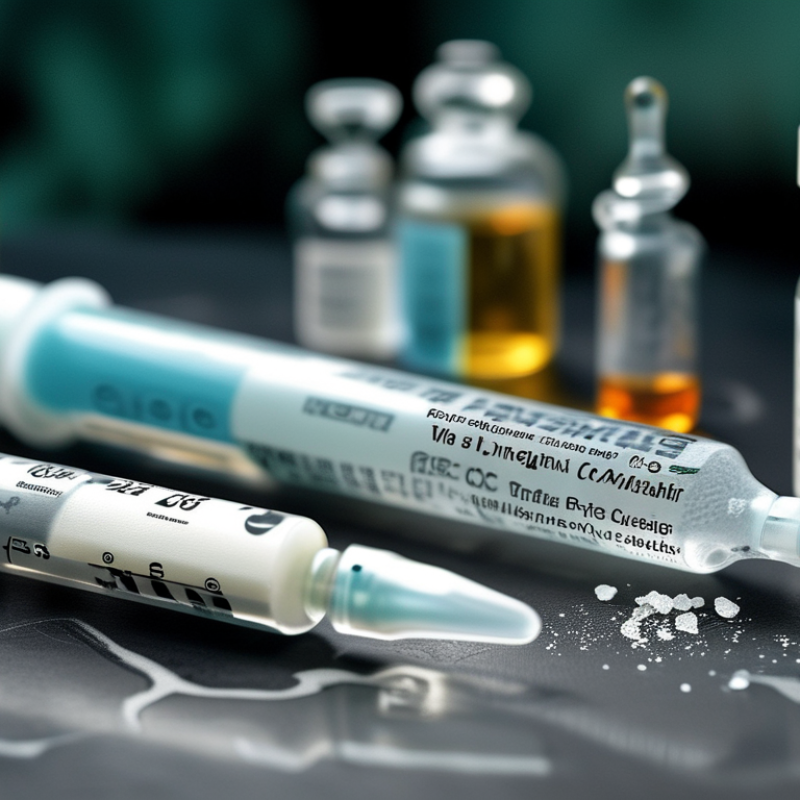
A sterile COC syringe is a ready-to-use medical device made from cyclic olefin copolymer. Unlike traditional glass, COC offers high clarity, low breakage risk, and strong dimensional consistency. It can also support applications where extractables, adsorption, or visual inspection matter. The barrel should feel smooth, with clear graduations and no visible particles. Small details matter.
Supplier choice affects patient safety, product stability, and manufacturing continuity. A reliable supplier should provide documented sterilization validation, bioburden controls, endotoxin data, and package integrity testing. Ask for lot traceability, certificates of analysis, and change-control procedures. The supplier should also explain how its cleanroom is monitored. Vague answers deserve attention.
Compatibility testing is essential. A syringe may perform well with one formulation but react poorly with another. Review plunger movement, container closure integrity, silicone levels, and storage conditions using representative samples. I once assumed visual clarity meant chemical compatibility. That assumption was incomplete. A serious supplier supports technical discussions, audits, and realistic sample trials, not just attractive brochures. Check whether production capacity, inspection records, and complaint handling match your actual project needs. Reliability is demonstrated over time, including during delays and unexpected deviations.
Start with the drug, not the catalog. A Coc Prefilled Syringe must match formulation chemistry, dose volume, viscosity, and storage temperature. COC usually offers strong transparency and low extractables, but compatibility still requires evidence. Do not assume it is automatically suitable.
The World Health Organization estimates that about 16 billion injections are administered worldwide each year. That scale makes consistent sterility and reliable delivery essential. Define your fill volume, dead space, tip design, plunger system, and needle configuration. Specify whether the syringe needs terminal sterilization or aseptic processing. Ask for validated sterility assurance data, not a simple certificate.
Your requirements should include container-closure integrity, particulate limits, endotoxin control, and extractables and leachables testing. FDA guidance recommends scientifically justified container-closure testing throughout the product lifecycle. USP also supports deterministic integrity methods, such as pressure decay or helium leak testing. These details affect supplier selection.
Request batch records, stability data, dimensional drawings, and change-control procedures. Check whether the supplier can support pilot quantities and commercial scale. A perfect-looking sample can still hide weak process control. I have seen specifications become vague during purchasing. That is a warning sign. Recheck every critical value before approval.
Finding a sterile COC syringe supplier in 2026 starts with identifying the right supplier type.
Medical device contract manufacturers are often suitable because they can manage molding, assembly, inspection, packaging, and sterilization coordination.
Specialized polymer molders may offer stronger COC processing knowledge, but they may lack final sterile-device experience. Some suppliers provide only molded barrels, while others deliver ready-to-use syringes. Confirm this difference early.
Look for controlled manufacturing capabilities, not impressive sales language.
The supplier should show experience with medical-grade COC, precision injection molding, cleanroom assembly, and automated dimensional inspection.
Ask how they control particles, bioburden, endotoxins, and particulate contamination.
Review their ISO 13485 quality system, cleanroom monitoring records, material certificates, batch traceability, and change-control process.
Sterilization must be validated for the exact syringe design and packaging system. Radiation or other methods may affect polymer performance, so testing should include visual clarity, leakage, plunger movement, and container-closure integrity.
I prefer suppliers that provide sample lots before commercial commitments.
Compare barrel dimensions, tip geometry, dead space, and force consistency.
Request stability data from real production batches, not only laboratory prototypes.
A capable supplier should explain mold maintenance, resin storage, calibration, and deviation handling clearly.
No audit is perfect. My own evaluation can still miss weak subcontractor controls, especially for sterilization or packaging.
Therefore, verify critical outsourced steps directly and document every unresolved question before approval.
A sterile COC syringe supplier should prove more than a clean product appearance. Ask how sterilization is validated for each syringe configuration. Ethylene oxide, radiation, or another method may affect COC performance differently. Request validation summaries, cycle limits, and routine monitoring records. Check bioburden, endotoxin, and sterility test procedures. A sealed pouch is not proof of sterility. The packaging must protect the syringe until use.
Inspect the cleanroom controls behind production. Confirm the facility follows a documented environmental monitoring plan. Review particle counts, pressure differences, temperature, and humidity records. ISO 14644 classification can support this review, but daily discipline matters more than a framed certificate. Look for gowning controls and material transfer procedures. I would also ask to see deviation reports. Perfect records can look suspicious when nothing is ever corrected.
Quality certification should match the supplier’s actual process. ISO 13485 is useful when supported by traceability, change control, and complaint handling. Request certificates for resin, lubricants, seals, and sterile packaging. A reliable Custom Medical Needle Supplier should explain lot numbering clearly. Ask whether samples from the same mold and sterilization cycle are available. Review dimensional data, plunger force, extractables, and container-closure integrity. If an answer sounds vague, pause. A small documentation gap may be fixable, but an unexplained gap deserves careful investigation.
How to Find a Sterile COC Syringe Supplier in 2026?
Material selection should start with the application, not the supplier’s brochure. COC offers strong clarity, low extractables, and good dimensional stability. However, no single resin fits every formulation. Ask for resin grade, biocompatibility data, chemical resistance results, and sterilization compatibility. Check whether the barrel stays clear after exposure to the intended drug. Small changes matter. A qualified supplier should provide lot traceability and controlled manufacturing records. For an Epidural Lor Syringe, confirm that the material, lubricant, stopper, and connector work together without leakage or unwanted interaction.
Packaging deserves equal attention. Sterility depends on the complete barrier system, not only the syringe. Review pouch or tray materials, seal strength, shipping simulation, and shelf-life data. Request evidence from validated sterilization cycles. Packaging should protect the luer connection from dust, moisture, and handling damage. Inspect sample packs after transport testing. A clean package can still fail at the seal.
Customization may include graduations, tip geometry, plunger design, color coding, and nest configuration. Confirm tolerances before tooling begins. Compatibility testing should cover pumps, needles, caps, and filling equipment. Ask how dimensional changes are controlled between production lots. I would not approve samples based on appearance alone. A clear barrel may hide stress cracks or poor fit. Independent testing can expose these weaknesses, although it adds time and cost. That trade-off is worth discussing with a supplier’s quality and engineering teams.
How to Find a Sterile COC Syringe Supplier in 2026?
Supplier reliability should be tested through evidence, not polished presentations. Ask for ISO 13485 certification, sterilization validation, lot-release records, and recent environmental monitoring results. For sterile COC syringes, review container-closure integrity, particulate testing, and extractables data. USP provides a useful framework for packaging integrity. A supplier should also explain deviations openly. Perfect records may deserve more questions.
Pricing needs a wider lens. Compare the syringe price, tooling charges, validation costs, inspection fees, and minimum order quantities. The FDA’s Drug Shortages Task Force reported that shortages can cost hospitals hundreds of millions of dollars annually. A cheaper supplier may create expensive disruption. Request a three-year price history and written rules for resin or energy adjustments. Include the Safety Insulin Syringe specification if your project requires related compatibility or safety features.
Lead times should be proven with dated production records. Request samples from normal production, not only expedited batches. Confirm raw-material availability, sterilization capacity, shipping lanes, and backup sites. A practical test is a small pilot order with defined acceptance criteria. Support matters after delivery. Can the technical team answer within one business day? Can it investigate a cracked barrel or seal failure with traceable records? In my experience, response quality varies more than brochures suggest. That weakness is worth documenting before approval.
A practical supplier-screening benchmark comparing reliability, pricing transparency, lead times, and technical support.
The benchmark uses a 100-point screening scale. Reliability emphasizes validated sterilization, ISO 13485 quality systems, batch traceability, and on-time delivery. Pricing reflects total landed cost and quote transparency, while lead time and support measure production planning and response capability. Confirm each threshold during qualification and audit the supplier before approval.
Ask for validation summaries for each syringe configuration and sterilization method. Review cycle limits, monitoring records, bioburden, endotoxin, and sterility procedures. A sealed pouch alone proves little. Packaging must preserve sterility until use.
Request environmental records covering particles, pressure differences, temperature, and humidity. Check gowning rules and material transfer procedures. Review the documented monitoring plan. Daily discipline matters. A certificate cannot replace production evidence.
Look for current quality certification supported by traceability, change control, and complaint handling. Request certificates for resin, lubricants, seals, and sterile packaging. Check clear lot numbering. Vague answers deserve a pause.
Confirm resin grade, biocompatibility, chemical resistance, and sterilization compatibility. Test whether the barrel remains clear after drug exposure. Review extractables and dimensional stability data. One resin may not fit every formulation.
Examine pouch or tray materials, seal strength, shipping simulation, and shelf-life evidence. Confirm validated sterilization cycles include the complete barrier system. Inspect packs after transport testing. A clean package can still leak.
Define graduations, tip geometry, plunger design, color coding, nest configuration, and tolerances before tooling. Ask how dimensional changes are controlled between production lots. Small changes matter.
Test the syringe with pumps, needles, caps, filling equipment, lubricants, stoppers, and connectors. Check leakage, fit, unwanted interaction, and plunger force. Do not approve samples by appearance alone. Clear plastic can hide stress cracks.
Often, yes. Independent testing may reveal poor fit, hidden cracks, extractables, or closure weaknesses. Discuss the trade-off with quality and engineering teams. I would not treat every certificate as decisive. Perfect records can look suspicious. Corrective evidence matters more.
Finding the right sterile COC syringe supplier in 2026 requires more than comparing prices. Start by defining your needs, including syringe volume, dimensions, closure style, sterilization method, material grade, packaging format, and compatibility with your drug or diagnostic application. Then identify qualified manufacturers with suitable molding, assembly, inspection, and cleanroom capabilities. A reliable supplier should provide clear evidence of validated sterilization processes, controlled production environments, traceability, and relevant quality certifications.
When evaluating a sterile coc syringe wholesale supplier, examine material performance, container closure integrity, customization options, labeling, and compatibility testing. Compare minimum order quantities, production capacity, lead times, shipping arrangements, technical support, and communication standards. Samples, documentation, and quality agreements can help confirm whether the supplier consistently meets your specifications. Choosing a partner with dependable processes and responsive support can reduce supply risks, simplify regulatory preparation, and support stable long-term production.