When it comes to the world of medical devices, especially things like core biopsy needles, picking a reliable manufacturer isn’t just a good idea — it’s absolutely essential. Experts often stress how much this choice matters. Dr. Emily Chen, a well-known consultant in the medical device space, once pointed out, “The quality of biopsy needles can really make a difference in patient outcomes.” That really drives home just how crucial it is to go with the right manufacturer.
A core biopsy needle isn’t just another tool — it’s basically the key to getting accurate diagnoses. So, when you’re checking out different manufacturers, it’s smart to pay attention to their reputation. Are they well-established? How much experience do they really have? Sometimes, a custom medical needle maker with a solid track record can tell you a lot. And don’t forget to look for feedback from healthcare professionals who’ve actually used their products — honest reviews can give you a much clearer picture of how dependable they are.
Of course, price matters too — but it shouldn’t be the only thing you focus on. Just because a needle is cheaper doesn’t mean it’s gonna be good quality. In fact, cutting corners might end up costing more in the long run, especially if it leads to complications. That’s why it’s worth doing some proper research — finding the right balance between cost and quality can be tricky, but it’s so worth it when it comes to patient care. Bottom line: taking the time to choose wisely can make all the difference.
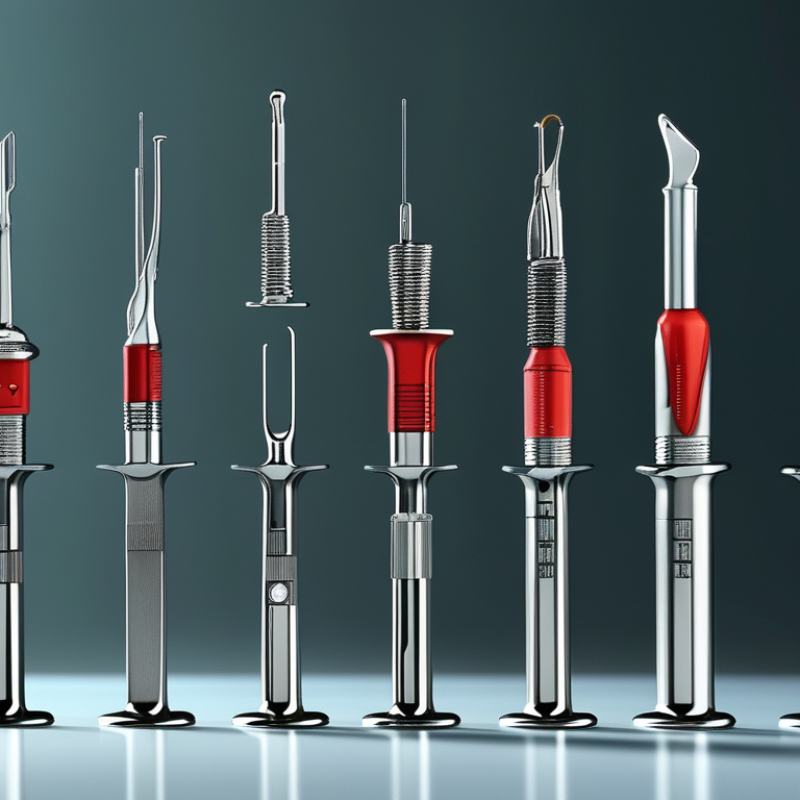
Understanding Core Biopsy Needles: Types and Uses
Core biopsy needles play a crucial role in diagnostic procedures. They come in various types, including automatic and manual, designed for different tissue sampling needs. Each type serves specific applications, from breast biopsies to liver tissue sampling. According to a report by the National Institutes of Health, the accuracy of core biopsies is significantly high, with a diagnostic yield exceeding 90% in many cases.
Choosing the right core biopsy needle manufacturer is essential. Precision Medical Device Manufacturer ensures that the needles meet safety and performance standards. Quality expectations can differ across manufacturers, and understanding these variations is critical. Look for suppliers with robust quality control processes. Researching their compliance with international regulations can provide insights into their credibility.
Another consideration is the innovative features of the needles. Advanced materials and designs can enhance patient comfort and tissue preservation. However, not all manufacturers prioritize these aspects. Always evaluate the feedback in the medical community regarding their devices. This information can guide decision-making and expected outcomes in procedural contexts.
Key Factors to Consider When Choosing a Manufacturer
When choosing a core biopsy needle manufacturer, focus on several key factors that influence quality and reliability.
Start with the manufacturer's experience in the field. A company with a long history typically demonstrates a solid understanding
of medical standards and practices. Look for evidence of their commitment to quality control processes. Reliable manufacturers
often share their quality certifications or compliance with industry regulations.
Consider the range of Specialty Needles
offered. A diverse selection ensures that you have access to the right tools for various procedures. It's crucial that the
needles are ergonomically designed and made from high-quality materials. Evaluate feedback from other medical professionals.
Their firsthand experiences can reveal insights about the needle's performance and durability. User reviews often highlight
specific issues that may not be obvious at first glance.
Lastly, assess the manufacturer's customer service. Prompt support and clear communication are essential. Manufacturers should
be willing to discuss your needs and provide technical assistance when required. It's valuable to reflect on your own experiences
or challenges you’ve faced with past suppliers. This self-reflection can guide better decision-making in the future when
selecting a dependable specialty needle manufacturer.
Evaluating Manufacturer Experience and Reputation
When selecting a core biopsy needle manufacturer, the experience and reputation of the company play a critical role. Manufacturers with extensive experience often exhibit a better understanding of industry needs. Evaluating a company’s history can reveal insights into its product quality and innovation. It's beneficial to explore how long they have been in the market. With a longer track record, a manufacturer is likely to have refined their processes and products over time.
Additionally, reputation within the medical community is essential. Look for feedback from healthcare professionals and institutions that use core biopsy needles. Online reviews and testimonials can provide valuable perspectives. However, not all reviews may accurately reflect the product quality. Analyzing both positive and negative comments is crucial. Consider engaging with professionals who have firsthand experience to gain a more nuanced understanding. While general feedback can guide your decision, personal insights often reveal the true strengths and weaknesses of a manufacturer.
Researching certifications and approvals further supports the assessment of a manufacturer’s credibility. Complying with industry regulations reflects a commitment to safety and reliability. However, some manufacturers may hold certifications that don't necessarily indicate superior quality. Investigate what these certifications entail and their relevance to your needs. Gathering detailed information can help navigate the complexities of the selection process, ensuring you make a well-informed choice.
Material Quality: Importance of Needle Construction
When choosing a core biopsy needle manufacturer, material quality is crucial. The needle's construction affects its performance. High-quality materials ensure durability and minimize the risk of breakage during procedures. Stainless steel is often the preferred choice. It offers strength and corrosion resistance. However, not all stainless steel is created equal. Manufacturers should use medical-grade materials.
Another important factor is the needle's coating. Some needles are coated to facilitate smoother insertion. This can reduce patient discomfort and enhance accuracy during biopsies. Additionally, the gauge of the needle plays a role. Thinner needles may cause less trauma but might not collect adequate tissue samples. Balancing gauge and material quality is essential for effective outcomes.
It is also worth considering the manufacturer’s reputation. Look for companies with a history of excellence in needle production. User testimonials and clinical studies can provide insights into a manufacturer’s reliability. Engaging healthcare professionals for their opinions adds value to your decision-making process. Quality assurance practices used by manufacturers should align with industry standards. Keep these factors in mind while navigating your options. Material construction is the bedrock of a needle's performance. A careful choice can lead to better biopsy results.
Importance of Needle Material Quality in Core Biopsies
Assessing Product Variety and Customization Options
When selecting a core biopsy needle manufacturer, product variety and customization options should be high on your list. Different medical procedures require specific needle designs and sizes. A manufacturer that offers diverse options allows healthcare professionals to tailor their tools to meet various clinical needs. This can significantly improve patient outcomes and procedural efficiency.
Customization is vital in medical devices, as each practice may have unique requirements. Some facilities may need specific lengths, gauges, or features. A manufacturer that understands this can provide solutions that are not merely standard. Think about how a tailored Butterfly Needle And Vacutainer could enhance your practice. The ability to choose designs according to individual patient needs can make a profound difference in biopsy results and overall patient comfort.
However, it is essential to consider the limitations. Not all customization requests can be fulfilled. Also, more options don't always translate to better products. Balancing variety with quality can be challenging. Not every manufacturer may strike the right balance. It’s crucial to assess how a supplier's variety aligns with your clinical practice and patient care priorities. This consideration could lead to improved diagnostic accuracy and patient satisfaction.
Top Tips for Choosing the Right Core Biopsy Needle Manufacturer
| Manufacturer Feature |
Option 1 |
Option 2 |
Option 3 |
| Types of Needles Offered |
Fine-Needle Aspiration |
Core Biopsy |
Lateral Biopsy |
| Customization Options |
Customized Lengths |
Varied Gauge Sizes |
Specialized Tips |
| Material Quality |
Stainless Steel |
Plastic Coated |
Biocompatible Coatings |
| Sterilization Options |
Ethylene Oxide |
Gamma Sterilization |
Radiation Sterilization |
| Regulatory Compliance |
FDA Approved |
ISO Certified |
CE Marked |
Customer Support and After-Sales Service Considerations
When selecting a core biopsy needle manufacturer, customer support is critical. You want a company that stands by its products. Quick responses to inquiries can show how much they care. A strong support team enhances your experience. They should provide not just information but also practical solutions.
After-sales service matters as much as the initial purchase. It's about building a relationship, not just a transaction. Manufacturers should offer training for your staff. This ensures everyone knows how to use the Vacutainer Needle Butterfly effectively. Maintenance support can prevent future complications, too. Regular check-ins from the manufacturer can boost your confidence in their products.
Reflect on your past experiences with different suppliers. You may find instances where after-sales service fell short. Maybe responses took too long, or support was unhelpful. A reliable manufacturer should learn from such feedback and improve. Ultimately, choosing a manufacturer with excellent customer support and after-sales service can significantly affect your overall satisfaction and the quality of care you provide.
Analyzing Regulatory Compliance and Certification Standards
When selecting a core biopsy needle manufacturer, understanding regulatory compliance is crucial. Compliance with ISO standards often implies a commitment to quality. For instance, ISO 13485 certification focuses on medical device quality management systems. Manufacturers with this certification demonstrate adherence to stringent quality guidelines. This can significantly influence the reliability of their products. A lack of proper certification may indicate more extensive quality risks.
Moreover, regulatory approvals from bodies like the FDA or CE indicate a high level of scrutiny. Products with FDA clearance have undergone rigorous testing. This ensures safety and effectiveness for critical medical procedures. According to industry data, over 30% of medical device recalls are linked to manufacturing defects. Thus, choosing a manufacturer with proven compliance history can reduce risks in clinical settings. Without adequate certifications, an organization may struggle to meet healthcare standards, impacting patient outcomes.
Selecting a manufacturer should involve meticulous research of their regulatory history. Engage in discussions with technical experts to understand compliance nuances. Assessing a manufacturer’s adherence to local or international regulations helps mitigate risks. Scrutinizing their certifications could reveal potential concerns. In the highly sensitive field of medical devices, any oversight can lead to significant repercussions. Prioritizing compliance should be at the forefront of your selection process.
Enhancing Precision in Tissue Sampling: Insights from Recent Data on the Chiba Biopsy Needle with Echogenic Tip
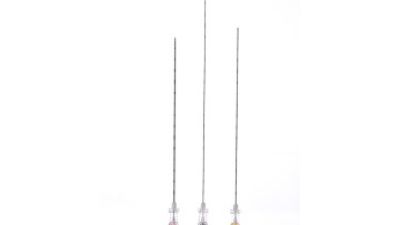
Recent advancements in tissue sampling techniques underscore the importance of precision and efficiency in medical procedures. The Chiba biopsy needle, equipped with an echogenic tip, significantly enhances the accuracy of tissue sampling, enabling healthcare professionals to obtain high-quality specimens while minimizing patient discomfort. The unique Quincke-type tip facilitates easier penetration, making the procedure less invasive and safer for patients. This innovation is particularly beneficial for challenging sampling sites where precision is crucial.
In addition to its design, the ultra-thin-walled cannula plays a vital role in maximizing sample collection. By allowing for abundant tissue retrieval, this needle builds on the principles of effective diagnostics, where the volume and quality of the sample can make a significant difference in outcomes. Furthermore, the easy-to-read centimeter markings and the internal echo marker support clinicians in achieving accurate depth placement, enhancing the overall effectiveness of the procedure. Color-coded hubs further simplify the identification of needle sizes, ensuring that healthcare providers can quickly and accurately select the appropriate gauge for various clinical scenarios. This thoughtful design makes the Chiba biopsy needle a valuable tool in modern medical practice, facilitating better patient care through enhanced sampling techniques.
FAQS
: Core biopsy needles are essential for tissue sampling in diagnostic procedures. They help in obtaining samples from various organs.
There are two main types: automatic and manual. Each type is designed for specific tissue sampling needs.
Choosing the right manufacturer ensures safety and quality. Different manufacturers have varying quality control and safety standards.
Good customer support enhances user experience. Quick responses and practical solutions indicate a manufacturer's commitment to their products.
After-sales service is crucial for ongoing support and training. A reliable manufacturer fosters long-term relationships, not just transactions.
Regulatory compliance indicates product quality and safety. Certifications like ISO and FDA approval ensure adherence to high standards.
A lack of certification can lead to quality risks and potential recalls. It may also affect compliance with healthcare standards.
Research their compliance history and certifications. Engaging with technical experts can provide insights into their regulatory adherence.
Yes, community feedback can guide your decision-making. However, it’s essential to consider both positive and negative experiences.
Think about instances where service fell short. Identifying these gaps can help in selecting a more reliable manufacturer in the future.
Conclusion
Choosing the right core biopsy needle manufacturer is a critical decision in the medical field, as it directly impacts patient outcomes. Understanding the different types and uses of core biopsy needles is essential, as is considering key factors such as the manufacturer's experience and reputation. High-quality materials in needle construction play a significant role in performance and safety.
In addition to material quality, evaluating the variety of products and customization options offered by the manufacturer can ensure that medical professionals have the right tools for specific procedures. Effective customer support and after-sales service are also crucial for long-term satisfaction. Finally, analyzing the manufacturer's regulatory compliance and certification standards is necessary to ensure that the products meet industry benchmarks and safety requirements. Selecting a reliable core biopsy needle manufacturer is vital for maintaining high standards in medical practice.