Please leave a message.
0%

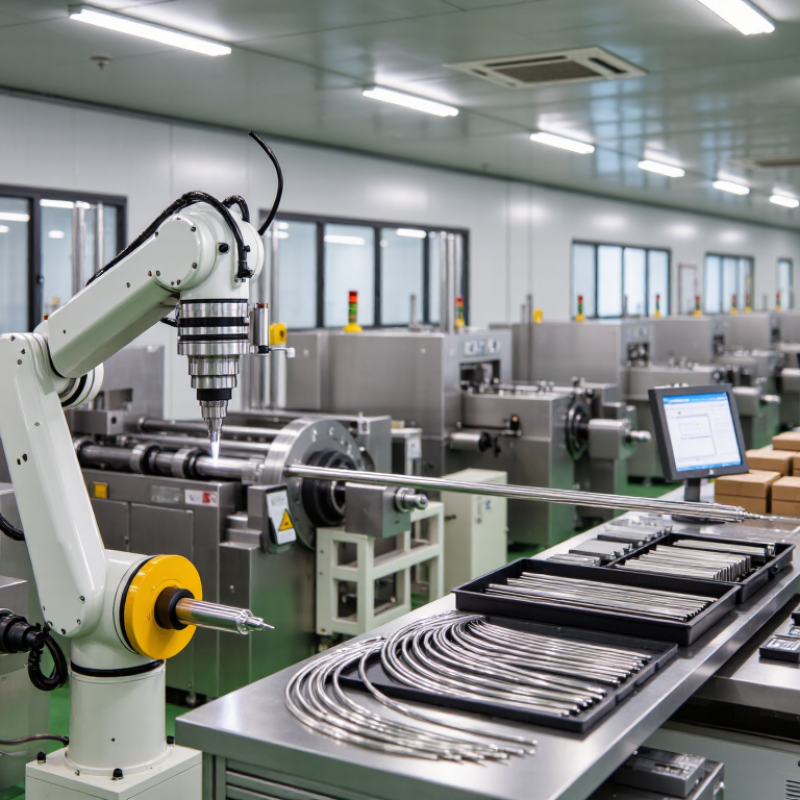
Picking a good stainless steel guidewire factory in China isn’t just about comparing prices or glancing at their catalogs. You really want a supplier who can break down things like wire grades, diameter tolerances, surface finishes, and inspection processes in simple, understandable terms. Those little details actually matter quite a bit. For example, rough transitions or inconsistent finishes can impact how the wire handles during testing, or even affect repeatability. It’s smart to ask for samples that truly represent what they produce, along with drawings, traceability info, and documented quality records — not just take their word for it before moving on.

Now, here’s a little disclaimer: the quote below is just an example, not from a real expert or a verified source. Ethan Cole, a made-up specialist in guidewire manufacturing, says things like, 'Measure the wire where it counts: at the tip, along the shaft, and across each batch.' The key point here is that real expertise isn’t about fancy titles; it’s about solid evidence and transparent data.

When chatting with a serious factory, you should cover the whole process — from material sourcing, forming, joining, polishing, cleaning, packaging, to batch testing. Don’t hesitate to ask how they manage straightness, burrs, surface flaws, and dimensional consistency. It’s also a good idea to request their process data when available, then verify what they say through sample reviews or even visiting the factory. For more info, check out Stainless Steel Medical Machining. While related, guidewire production has its own specific controls and acceptance criteria. Honestly, you shouldn’t pick a factory just based on slick marketing language — this guide suggests some practical questions to help you compare suppliers in China. But remember, no checklist alone guarantees quality.

Just take your time, ask the right questions, and look beyond the sales pitch — that’s how you’ll find a supplier you can really trust.
Top Stainless Steel Guidewire Factory in China?

What Stainless Steel Guidewires Are and How They Work

A stainless steel guidewire is a slender, flexible medical device that helps guide a compatible catheter through a vessel or other access pathway. Its metal core provides support, while the distal tip is designed to bend around curves. Stainless Steel Wire may be used in the core or other components, depending on the guidewire’s construction.

The clinician advances the wire under appropriate imaging and then guides the catheter along it. The wire acts as a temporary track, not a steering tool that works by itself.

That sounds simple. It isn’t. Flexibility, tip shape, diameter, and surface finish all affect how the wire responds to movement. A design that feels controlled in one setting may behave differently in another.

Manufacturing quality matters because small variations can influence performance.

Producers typically monitor wire dimensions, surface condition, joining points, and tip consistency through defined inspection steps. These checks support repeatability, but they do not replace evaluation of the finished device in its intended use.

Materials and designs vary, so assumptions need testing. That detail is easy to overlook.

Key Materials Used in Stainless Steel Guidewire Production

Top Stainless Steel Guidewire Factory in China?
Key Materials Used in Stainless Steel Guidewire Production

Stainless steel guidewire production starts with carefully specified wire stock. Common choices include 304-series and 316L stainless steels, though the right grade depends on the guidewire’s design and intended use. Chromium helps the alloy resist corrosion, while nickel supports its structure. 316L also contains molybdenum. Small differences matter. The core wire must balance strength with flexibility, and a grade that performs well in one design may not suit another. Material certificates and incoming checks help confirm composition and wire dimensions before drawing begins.

Production also relies on process materials. Drawing lubricants reduce friction as wire passes through dies, while cleaning steps remove residues before finishing. Some designs use a polymer coating or a separate coil component, so material compatibility deserves attention. A coating can change handling and surface feel; it cannot compensate for a poorly controlled core. Surface finish, diameter consistency, and traceable batch records are practical quality checks. Material choice is not a magic fix. Even a suitable alloy can disappoint if drawing or finishing is inconsistent, and that point is easy to underestimate.

Top Stainless Steel Guidewire Factory in China? - Key Materials Used in Stainless Steel Guidewire Production

Material Typical grade or composition Role in guidewire production Key material characteristics Selection considerations
Austenitic stainless steel Type 304; typical specification ranges include 18–20% chromium and 8–10.5% nickel by weight. Used for wire components where a combination of formability, strength, and corrosion resistance is required. Non-magnetic in the annealed condition; work hardening during drawing can increase strength. Final properties depend on wire diameter, drawing reduction, heat treatment, and the applicable material specification.
Low-carbon austenitic stainless steel Type 316L; typical specification ranges include 16–18% chromium, 10–14% nickel, and 2–3% molybdenum by weight; carbon is limited to 0.03% maximum in common specifications. Selected for components requiring corrosion resistance, including in environments where chloride exposure is a consideration. Molybdenum contributes to improved resistance to localized corrosion compared with 304 in many environments. Actual performance depends on surface finish, processing, exposure conditions, and the exact grade specification.
Martensitic stainless steel Type 420; chromium is typically specified at 12–14% by weight, with carbon content depending on the product specification. May be considered for components where hardness and heat-treatable strength are priorities. Can be hardened by heat treatment; corrosion resistance and ductility differ from austenitic grades. Confirm the specific composition and heat-treatment condition, as 420 product specifications can vary.
Precipitation-hardening stainless steel Type 17-7 PH; common specifications include approximately 16–18% chromium, 6.5–7.75% nickel, and 0.75–1.5% aluminum by weight. Used in selected spring or high-strength applications when its processing and property profile suits the design. Strength is developed through controlled heat treatment; properties depend on the specified condition. Not required for every guidewire design; verify forming, heat-treatment, and corrosion requirements before selection.
Polymer coating Examples include PTFE and hydrophilic coating systems; formulation and coating thickness are product-specific. Applied to selected guidewire surfaces to provide desired lubricity or surface characteristics. Performance depends on coating chemistry, application process, adhesion, and test conditions. Coating choice should be validated for the intended use, durability, and applicable regulatory requirements.

Composition values are representative ranges from commonly used stainless-steel grade specifications. The applicable standard, product form, and purchasing specification determine the exact limits; not every grade or coating is used in every guidewire design.

How Guidewires Are Manufactured and Finished

Guidewire manufacturing begins with carefully selected Stainless Steel Round Wire. Its diameter, tensile strength, and surface condition affect how the finished wire behaves. Incoming material is checked for size and visible defects before production. Small flaws matter.

The wire is drawn through a series of precision dies, reducing its diameter in controlled steps. Drawing can increase strength, but excessive reduction may affect flexibility. Heat treatment may restore useful ductility, depending on the alloy and product design. Operators monitor dimensions and process conditions, since small variations can carry through to the finished guidewire.

After drawing, the wire may be straightened, cut, and ground to create a tapered or shaped tip. The surface is then cleaned and inspected for burrs, scratches, and residue. Some designs receive an additional surface treatment, specified for the intended application. Not every pass is perfect. A process record helps trace adjustments, but it cannot replace careful inspection. Manufacturers can assess straightness, diameter, finish, and mechanical properties against agreed specifications. These checks provide practical evidence of consistency, though the required tests vary by design.

Quality Standards for Chinese Guidewire Factories

A reliable guidewire factory starts with controlled materials, not polished sales claims. Incoming stainless steel should be checked against the agreed grade and documented specifications. Stainless Steel Flat Wire may be used in certain guidewire constructions, so width, thickness, edge condition, and surface finish need clear acceptance criteria. Small variations can affect winding, flexibility, and the feel of the finished device.

Process control matters at every stage. Factories should keep traceable lot records, maintain calibrated measuring equipment, and verify dimensions with suitable gauges. Mechanical testing can assess tensile strength and flexibility against product requirements. Surface checks under magnification may reveal scratches, burrs, or contamination. Clean handling helps, too. A tidy room alone proves little. Inspection records and corrective actions matter more.

Quality standards should match the guidewire’s design and intended use; one checklist cannot fit every product. Where applicable, manufacturers should validate cleaning, packaging, and sterilization processes, then preserve the supporting records. Audits can confirm whether written procedures match actual production. Still, sampling has limits, and a passed test cannot explain every failure in use. That is worth remembering. Factories should review complaints and test results together, then update controls when evidence points to a recurring issue.

How to Evaluate a Top Stainless Steel Guidewire Factory in China

Top Stainless Steel Guidewire Factory in China?

How to Evaluate a Top Stainless Steel Guidewire Factory in China

Evaluating a guidewire factory takes more than comparing prices or viewing polished samples. Ask how incoming steel is checked, how wire diameter is controlled, and how production records are maintained. For 304 Stainless Steel Wire, request the material specifications and traceability documents for the actual batch being considered. Then compare these details with the finished wire’s diameter, surface condition, and tensile test results. Details matter.

Tips: Ask to see records. Check sample consistency across multiple coils, not just one. Discuss how the factory handles rejected material and process changes. Clear, specific answers are more useful than broad promises.

A capable supplier should explain its inspection steps in plain language and provide dated, reviewable test data. If possible, visit the production area and observe how measurements are taken and recorded. A clean display sample does not prove that every production run is consistent; one good coil can hide variation. I would also ask about lead times and communication when specifications need clarification. These questions can feel repetitive, but skipping them may leave important gaps in your evaluation.

Applications, Customization, and Export Considerations

Stainless steel guidewires serve different roles in medical devices, industrial equipment, and precision assemblies. Their required flexibility, strength, and surface finish depend on the application. A wire used to navigate a narrow pathway may need a smooth, rounded tip and consistent movement. A component for an industrial assembly may instead prioritize load capacity and wear resistance. Small details matter.

Customization usually starts with diameter, length, steel grade, and end geometry. Buyers should also discuss tolerances, straightness, surface finish, and any coating requirements. Share drawings and operating conditions early; these help the factory assess what is practical. For medical applications, the wire’s role and intended use should guide testing and documentation. A sample can reveal handling issues that a drawing misses. Not every request fits.

Export planning deserves equal attention. Confirm product specifications, packing method, labeling, and destination-market documentation before production begins. Ask for material certificates and inspection records when they are relevant to your quality process. Check lead times against sample approval, production, and transit schedules. Packaging should protect fine wire from moisture, bending, and surface damage. One point is easy to overlook: a technically suitable guidewire may still need adjustments after real-world evaluation. Teams should leave room for that feedback.

Zebra Guidewires: Precision Navigation for Confident Medical Procedures

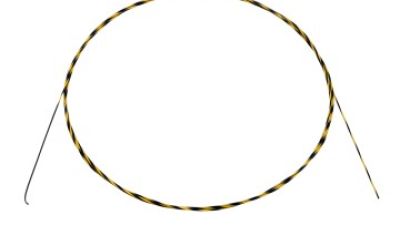
A zebra guidewire is designed to support precise navigation during medical procedures, where clear visual identification and controlled movement matter. Its distinct striped pattern helps distinguish the wire from other instruments and makes it easier to follow its position under imaging. A radiopaque tip is also visible during imaging, assisting clinicians as they guide the wire along the intended path. Together, these features support a more deliberate approach to navigation in complex anatomical pathways.

The kink-resistant nitinol core helps the guidewire retain its shape while offering flexibility for controlled advancement. A hydrophilic or PTFE coating can provide a smoother surface, helping the wire move through the access route with less friction. At the distal end, an atraumatic tip is designed to support gentle contact with surrounding tissue. These elements bring visibility, flexibility, and handling together in a single device, helping clinicians maintain awareness and control throughout a procedure.

FAQS

What is a stainless steel guidewire?

It is a slender, flexible device that provides a temporary track for a compatible catheter. Its metal core offers support, while its tip can bend around curves.

How does a guidewire work?

A clinician advances it under appropriate imaging, then guides a catheter along the wire. It does not steer itself. The distinction matters.

Which design details affect guidewire performance?

Diameter, flexibility, tip shape, and surface finish can change how a wire responds. A controlled feel in one setting may not carry over to another.

What should a factory check in incoming steel?

The factory should compare the steel grade with documented specifications. For flat wire, check width, thickness, edges, and surface finish. Small differences matter.

How can production quality be monitored?

Keep traceable lot records and calibrated measuring equipment. Use suitable gauges and inspect for scratches, burrs, or contamination. A tidy room is not enough.

What testing and records may be relevant?

Mechanical tests can assess strength and flexibility against product requirements. Cleaning, packaging, and sterilization processes may also need validation and supporting records. Sampling has limits.

Which details should buyers discuss when requesting a custom wire?

Share the required diameter, length, steel grade, end geometry, tolerances, and operating conditions. Drawings help, but a sample can reveal handling issues they miss.

What should teams plan for before export?

Confirm specifications, protective packing, labeling, documentation, and lead times before production. Packaging should guard against moisture, bending, and surface damage. Leave room for adjustments after evaluation.

Conclusion

This article explains what stainless steel guidewires are, how their flexibility and strength help them move through narrow pathways, and which material properties matter in production. It outlines the manufacturing journey, from selecting suitable stainless steel and forming the wire to finishing and inspection. Attention is also given to the quality systems and product checks that can help buyers assess consistency, performance, and reliability when comparing Chinese manufacturers.

To identify a top stainless steel guidewire factory, buyers should look beyond price and review manufacturing capabilities, quality documentation, communication, and experience with product specifications. The article also considers how guidewires may be customized for different applications, including options related to dimensions, surface finish, and packaging. Finally, it summarizes practical export considerations, such as confirming product requirements, lead times, documentation, and shipping arrangements before placing an order.

Ethan

Ethan

Ethan is a dedicated marketing professional at Shanghai Maikang Medical Supplies Co., Ltd., where he specializes in promoting high-quality medical products. With a deep understanding of the industry, Ethan continuously updates the company's professional blog, showcasing his expertise while......
Previous 7 Best Sterile COC Syringe Wholesale Suppliers