By 2026, it's really important for healthcare facilities to find the right supplier for vacuum blood collection sets. Experts like Dr. Alice Thompson, who's well-respected in medical supply circles, often say things like, "Picking the right supplier can help avoid mistakes and actually improve patient care." It’s a solid reminder just how crucial it is to source quality equipment.
That said, not every supplier out there meets the standards we need. The market for vacuum blood collection sets is pretty crowded—there are well-known brands and newer players trying to make a name for themselves. Not all of them bring the same level of innovation or reliability, and some might be more focused on making a profit than on delivering top-notch quality.
Figuring out which supplier to go with isn't just a simple pick—it's a bit of a strategic process. You should keep an eye on their certifications, track record, and the range of products they offer. For example, choosing a trusted custom medical needle supplier can really make life easier in the lab. But hey, we’ve got to stay alert—skipping over tiny details can actually impact patient outcomes, so it’s worth taking the time to get it right.

Identifying Key Features of Vacuum Blood Collection Sets
When exploring vacuum blood collection sets, it's crucial to focus on their essential features. Quality has a significant impact on the efficiency of blood draws. Data shows that around 85% of blood collection failures result from poor quality materials. Sets must ensure optimal vacuum pressure for efficient blood drawing.
User comfort is another key consideration. Ergonomic designs can reduce anxiety for patients during procedures. Reports indicate that comfort-focused designs can enhance patient compliance by up to 40%. A slight variance in needle gauge can influence the pain level experienced during blood draws, highlighting the importance of user-centric designs.
Moreover, analyzing the materials used in these sets is vital. Transparent tubing allows healthcare providers to visualize blood flow, ensuring precise collection. However, not all materials are created equal. Some may degrade quickly, raising concerns about reliability. Continuous evaluation of suppliers and materials can lead to improvements in safety and efficacy in clinical practice.
Understanding Quality Standards for Blood Collection Equipment
When selecting a vacuum blood collection set, understanding quality standards is crucial. Blood collection equipment must meet strict safety requirements. This ensures accurate testing and patient safety. A reputable supplier will provide products that comply with health regulations. Look for certifications that indicate proper manufacturing practices.
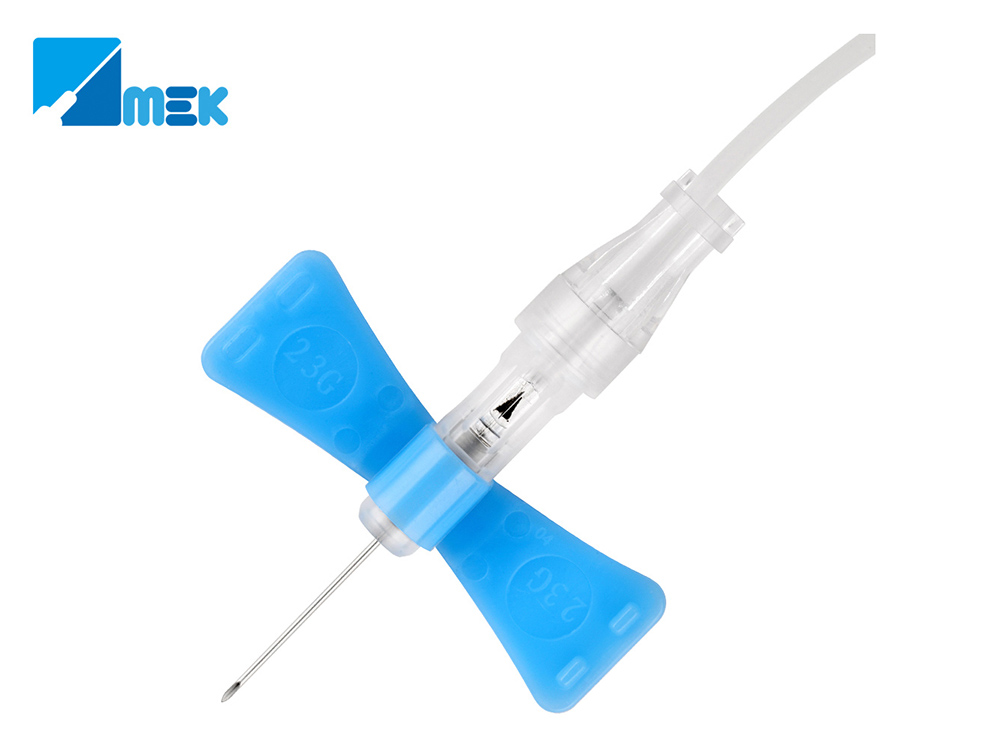
Quality is not just about compliance. It involves using durable materials and reliable designs. A well-made Safety Blood Collection Set can minimize discomfort for patients. It should have clear labeling and easy-to-read instructions. This transparency helps healthcare professionals make informed decisions.
Tips for choosing a supplier: Verify their experience and reputation in the industry. Check for client testimonials or case studies. Engage with their customer service to gauge reliability. Consider suppliers who invest in ongoing training for their staff. They’re likely to prioritize quality and safety in their products.
Evaluating Supplier Reputation in the Medical Equipment Industry
Choosing the right vacuum blood collection set supplier is not just about price. It involves understanding the supplier's reputation in the medical equipment industry. A strong reputation often indicates reliability and quality, which are critical in healthcare.
When evaluating your options, consider reviews and testimonials from healthcare professionals. Look for suppliers with consistent positive feedback. Engagement in the industry, such as attending conferences or contributing to professional networks, can also enhance credibility. A professional supplier is often well-informed about advancements, like the latest techniques in the
Push Button Blood Collection Set design.
However, reputation can be misleading at times. Some suppliers may present polished images but not deliver quality products. It’s essential to verify claims and seek independent evaluations. Always ask for samples or product demonstrations. This hands-on approach helps ensure that the equipment meets your needs and standards.
Comparing Pricing and Value among Leading Suppliers
As the demand for vacuum blood collection sets increases, evaluating pricing and value becomes crucial in 2026. Recent industry reports highlight that the global market is projected to reach USD 1.5 billion by 2026, growing at a CAGR of 7%. This growth is driven by advancements in medical technology. Healthcare facilities seek reliable suppliers to ensure quality and cost-effectiveness.
When looking for suppliers, price comparison is key. Many suppliers offer a varied range of prices based on materials and features. Some may prioritize low-cost options at the expense of quality. Others may present premium products with advanced technology, which often leads to higher prices. It’s important to analyze what each supplier offers. Value should include durability, ease of use, and safety standards outlined by industry regulations.
It is essential to remember that the lowest price does not always mean the best choice. Poor quality products can result in errors and additional costs in the long run. Healthcare professionals must strike a balance between affordability and product reliability. Evaluating suppliers based on user feedback can provide invaluable insights into quality and service, helping healthcare providers make informed decisions.
Assessing Customer Reviews and Testimonials for Reliable Insights
When selecting a vacuum Blood Collection Set supplier, customer reviews provide invaluable insights. According to a recent industry report, 70% of healthcare professionals rely on testimonials to guide their purchasing decisions. Honest reviews can highlight the reliability and effectiveness of products in various clinical settings. It's crucial to trust verified sources and seek feedback from experienced practitioners.
Consider searching for common themes in reviews. Look for mentions of product performance, ease of use, and customer service. A 2023 survey indicated that buyers who analyzed reviews reduced the chances of dissatisfaction by 40%. Testimonials that detail specific experiences can shed light on a supplier's consistency and quality standards.
Tip: Always cross-reference reviews on multiple platforms. Some users may omit critical details in their feedback. Could there be biases? Reflect on this aspect to ensure a well-rounded view.
Tip: Engage with professionals on forums or social media. Their shared experiences can reveal strengths and weaknesses in various Blood Collection Sets offered by different suppliers. Insights from peers often lead to smarter choices.
Investigating Supplier Certifications and Compliance with Regulations
When selecting a vacuum blood collection set supplier, certifications play an essential role. Each supplier's adherence to industry standards can significantly impact the safety and effectiveness of their products. Familiarizing oneself with ISO certifications and other regulatory approvals is crucial. These certifications often indicate the manufacturer's commitment to quality and precision in medical devices like the Vacuette Blood Collection Set.
Compliance with local and international regulations is another key factor. It's important to review the supplier's history of meeting Good Manufacturing Practice (GMP) guidelines. These practices ensure that medical products are consistently produced with a high standard of quality. Suppliers should provide transparent documentation, allowing healthcare professionals to assess their compliance easily.
While many suppliers boast impressive certifications, not all can guarantee quality in every batch. There have been instances where certified products still fell short in performance during clinical use. This raises concerns over the reliability of certain suppliers. Healthcare facilities should consider not only the certifications but also user feedback and performance data before making a decision. Such diligence can help avoid pitfalls associated with subpar products.
Find the Best Vacuum Blood Collection Set Supplier in 2026?
| Supplier |
Certifications |
Regulatory Compliance |
Quality Assurance Practices |
Customer Reviews |
| Supplier A |
ISO 13485, CE Mark |
FDA Approved, ISO certified |
Robust quality control processes |
4.8/5 stars |
| Supplier B |
ISO 9001, ISO 13485 |
Complies with European Directives |
Regular audits and inspections |
4.6/5 stars |
| Supplier C |
FDA Registered, CE Certified |
Meets all local regulations |
Enhanced traceability systems |
4.9/5 stars |
| Supplier D |
ISO 13485 |
Regulatory compliance documents available |
Consistent product testing protocols |
4.5/5 stars |
Exploring Innovations in Blood Collection Technology and Their Impact
The landscape of blood collection technology is evolving rapidly. Recent studies show that innovative vacuum blood collection sets enhance patient experience. They minimize pain and discomfort during blood draws. According to a 2023 report by the World Health Organization, these innovations increase blood sample quality and reliability.
A key development is the use of safety-engineered devices. These devices reduce the risk of needlestick injuries by over 30%. Healthcare professionals appreciate these advancements. Simultaneously, there are significant concerns about cost. While new technologies promise better outcomes, they often require higher initial investments. This gap can strain smaller practices.
Moreover, user training remains a critical aspect. Many healthcare workers express the need for thorough training on these new systems. Misuse can lead to errors, impacting patient safety. As the demand for effective blood collection grows, ongoing education and adaptability are necessary. A continuous feedback loop is essential for improving both technology and practice.
FAQS
: They ensure safety and accurate testing, protecting both patients and healthcare professionals.
Verify their experience, reputation, and client testimonials to assess reliability.
Look for consistent positive reviews and their engagement in industry events and networks.
Durable materials are crucial to ensure the equipment’s reliability and minimize discomfort.
Clear labeling and instructions help healthcare professionals make informed decisions during use.
Yes, some may appear credible but fail to deliver quality products. Verify their claims.
Request samples or demonstrations, allowing hands-on evaluation of the products.
Certifications indicate compliance with health regulations and proper manufacturing practices.
No, focus more on reputation and quality rather than just cost.
Suppliers who train their staff regularly are more likely to prioritize safety and quality.
Conclusion
In 2026, finding the best vacuum blood collection set supplier involves a comprehensive evaluation of several critical factors. Firstly, it's essential to identify the key features that distinguish high-quality vacuum blood collection sets, which include design, ease of use, and safety mechanisms. Understanding the relevant quality standards for blood collection equipment is vital for ensuring compliance and reliability in medical settings.
Additionally, evaluating a supplier's reputation within the medical equipment industry can provide insight into their reliability and quality of service. Comparing pricing and value among leading suppliers is necessary to make informed purchasing decisions. It is also beneficial to assess customer reviews and testimonials for firsthand accounts of performance and satisfaction. Furthermore, investigating supplier certifications and compliance with regulations will ensure that the equipment meets necessary health and safety standards. Finally, exploring recent innovations in blood collection technology can highlight advancements that improve efficiency and effectiveness in blood sampling procedures.